How to Reduce Dairy Feed Costs Without Losing Milk Yield
Many farmers want to reduce dairy feed costs, but cutting the wrong feed can cost more in lost milk than it saves. This guide shows practical ways to reduce dairy feed costs while protecting yield and cow health.
Quick answer: The best way to reduce dairy feed costs without losing milk is to focus on feed cost per litre of milk, not just price per tonne. Improve forage quality, balance rations for each group of cows, test feeds, reduce feed waste, and monitor body condition and milk response. Cheap feed that lowers yield or health usually costs more in the end.
Why Feed Cost per Litre Matters
Feed is usually the largest cost on a dairy farm. Cutting ration cost can backfire if milk yield, milk components, fertility, or health fall. The goal is the lowest feed cost per litre of milk while keeping cows productive and healthy.
1. Improve Forage Quality
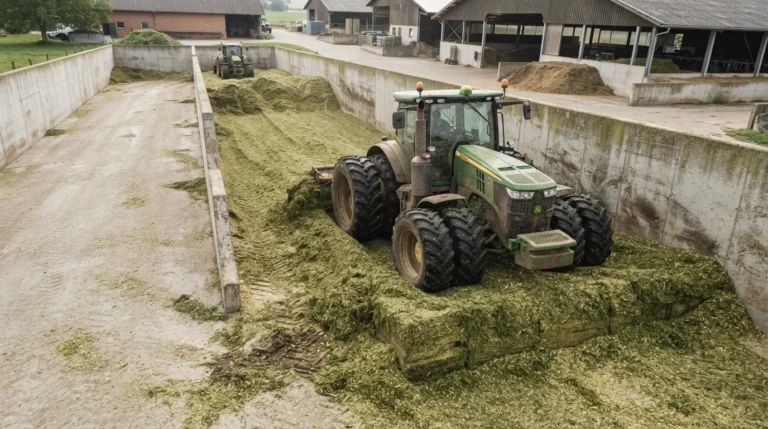
High-quality forage reduces the need for expensive concentrates. Harvest at the right stage, and store silage well to limit losses.
2. Test Feeds and Balance Rations
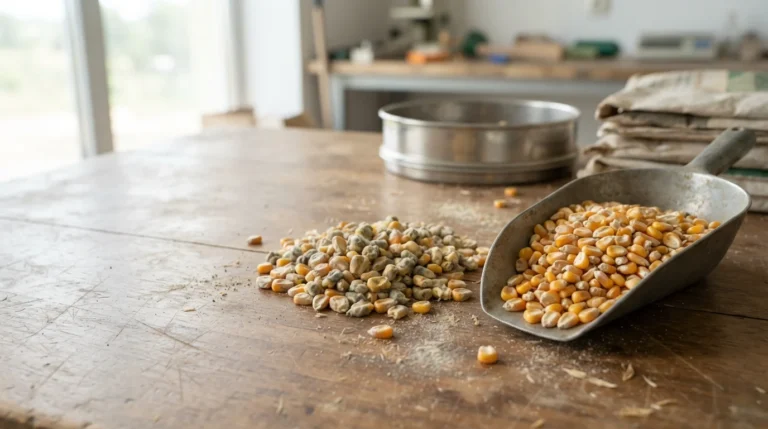
Laboratory analysis of forages and ingredients allows accurate formulation. Balanced energy, protein, fibre, and minerals support yield and rumen health.
3. Group Cows by Stage and Yield
Feeding fresh, high-yielding, late-lactation, and dry cows differently avoids overfeeding some cows and underfeeding others.
4. Reduce Feed Waste
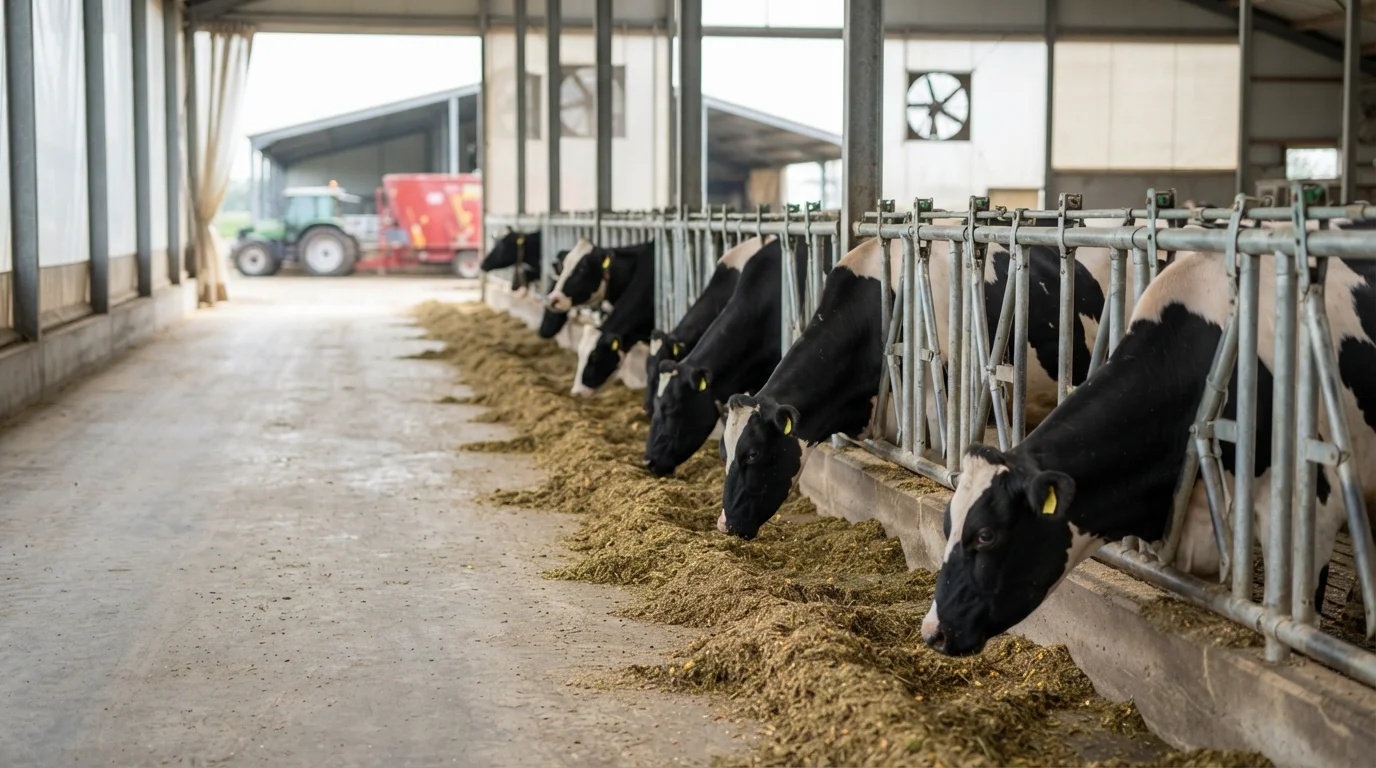
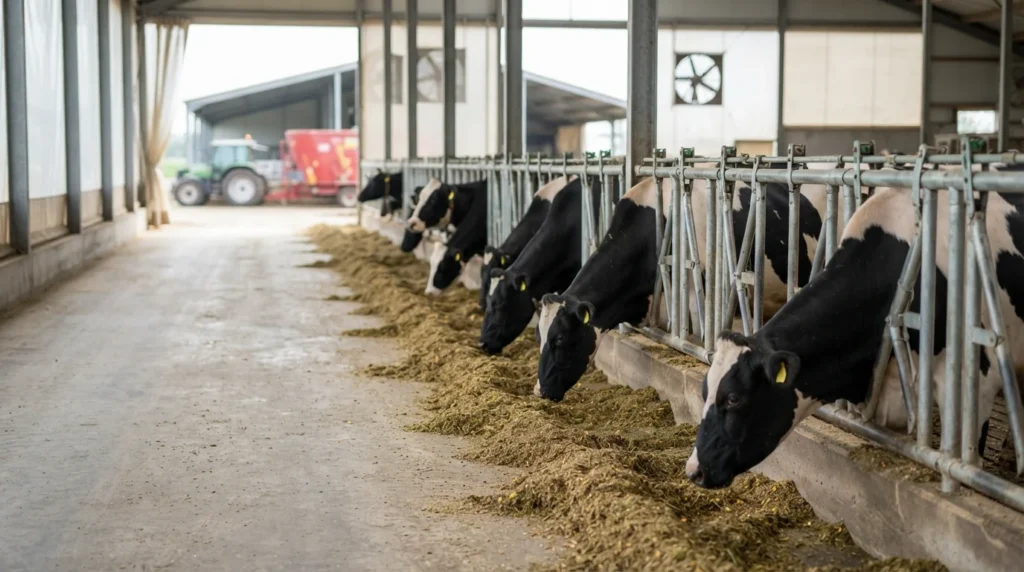
Good storage, correct mixing, suitable feed bunks, and pushing up feed regularly all reduce losses.
5. Use Local By-Products Carefully
Local by-products can lower costs, but only if they are tested, consistent, and correctly balanced in the ration.
6. Monitor Results
Track milk yield, components, body condition, dung consistency, and intake. Change rations gradually and measure the response.
Key Numbers to Track
- Feed cost per cow per day
- Milk yield per cow per day
- Feed cost per litre of milk
- Income over feed cost: milk income minus feed cost per cow per day
Income over feed cost is often the most useful single measure when trying to reduce dairy feed costs, because it balances spending against milk produced.
Mistakes That Increase Costs
- Buying cheap feed without checking its nutrient value
- Feeding every cow the same ration
- Poor silage storage with high losses
- Making sudden ration changes
Further Reading
Practical dairy nutrition guides are published by Penn State Extension and FAO dairy production resources.
A Step-by-Step Plan
- Record current feed use, costs, and milk yield.
- Test forages and main ingredients.
- Reformulate rations by cow group.
- Fix storage and feeding waste.
- Make changes gradually and track income over feed cost for several weeks.
Following a plan like this lets you reduce dairy feed costs in a controlled way, and quickly reverse any change that hurts milk yield.
Summary
Focus on feed cost per litre and income over feed cost, not feed price alone. Better forage, tested feeds, balanced rations by group, less waste, and gradual, measured changes are the most reliable ways to cut costs while keeping cows productive and healthy.
Need a Ration Review?
Our Dairy Farm Consultancy and Animal Nutrition and Feed Consultancy teams review rations, forage, and records to find practical savings. Share your herd size, current ration, and milk yield to get started.
Real Problems Dairy Farmers Face
Milk prices are low and feed prices are high. Where do I start cutting?
Start with waste and forage, not with concentrates. Measure feed losses in storage and at the trough, test forage quality, and group cows by yield. These steps often save money without cutting milk, unlike reducing concentrates across the whole herd.
My cows eat plenty but milk is still low. Why?
Common causes include poor forage quality, unbalanced energy and protein, limited water, heat stress, lameness, and cows in late lactation. Check ration balance, water access, and cow comfort first, and review body condition and health records.
Sources and Further Reading
Frequently Asked Questions
What is the biggest cost in dairy farming?
Feed is usually the largest single cost of milk production.
Should I cut concentrates to save money?
Only after checking forage quality and the ration balance. Cutting concentrates without a plan can reduce milk yield and body condition.
How often should forages be tested?
Whenever a new batch or silage clamp is opened, and whenever quality appears to change.
Want a practical review of your dairy feeding program? Our Agricultural Consultancy team offers animal nutrition and feed management support.
Is buying cheaper feed a good idea?
Only if its nutrient value per unit of cost is better. Test before switching.
How can I protect margins long term?
Grow and store better forage, and track income over feed cost monthly.
About this guide: This guide was prepared by the Globale Green Consortium Editorial Team and reviewed by our Agricultural Consultancy team, based on the sources listed above and our practical work in this field. It is general information, not professional advice for your specific situation. Read our editorial policy or report an error.