How to Make Good Silage: A Step-by-Step Guide for Dairy and Livestock Farmers
Knowing how to make silage well can save dairy and livestock farmers a large share of their feed bill. This guide explains how to make silage step by step, with a focus on keeping air out.
Quick answer: Good silage comes from harvesting the crop at the right stage and moisture, chopping it to the right length, filling quickly, packing it tightly to remove air, sealing it airtight, and feeding it out carefully. Air is the main enemy of silage quality, so every step aims to keep oxygen out.
Why Silage Quality Matters
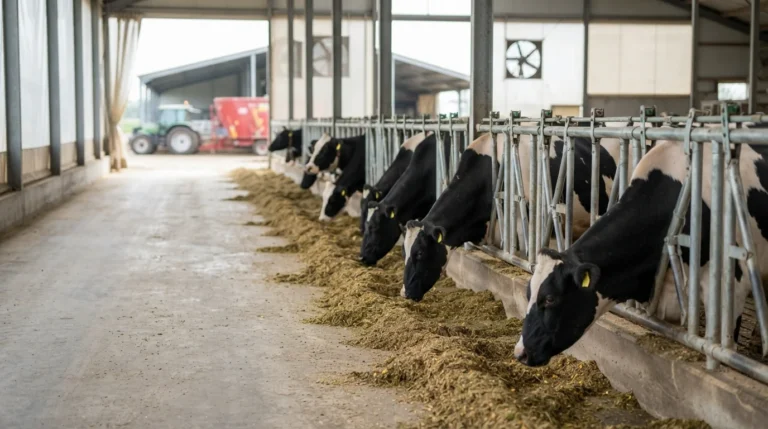
Silage is often the main forage on dairy and fattening farms. Better silage supports milk yield and weight gain and reduces the need for expensive concentrates.
Step 1: Harvest at the Right Stage
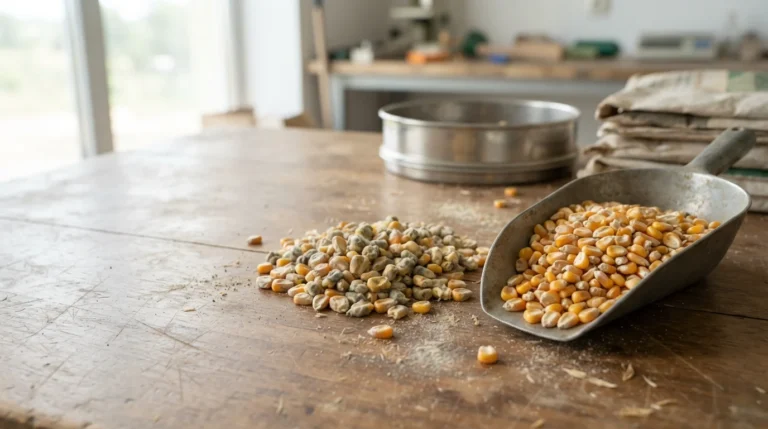
For maize, harvest when grain is at the right maturity and whole-plant moisture suits your storage method. Harvesting too wet or too dry reduces fermentation quality.
Step 2: Chop to the Right Length
Correct chop length helps packing and fermentation while keeping enough fibre for rumen health.
Step 3: Fill Quickly
Fill the bunker, pit, or bag as fast as possible to limit air exposure.
Step 4: Pack Tightly
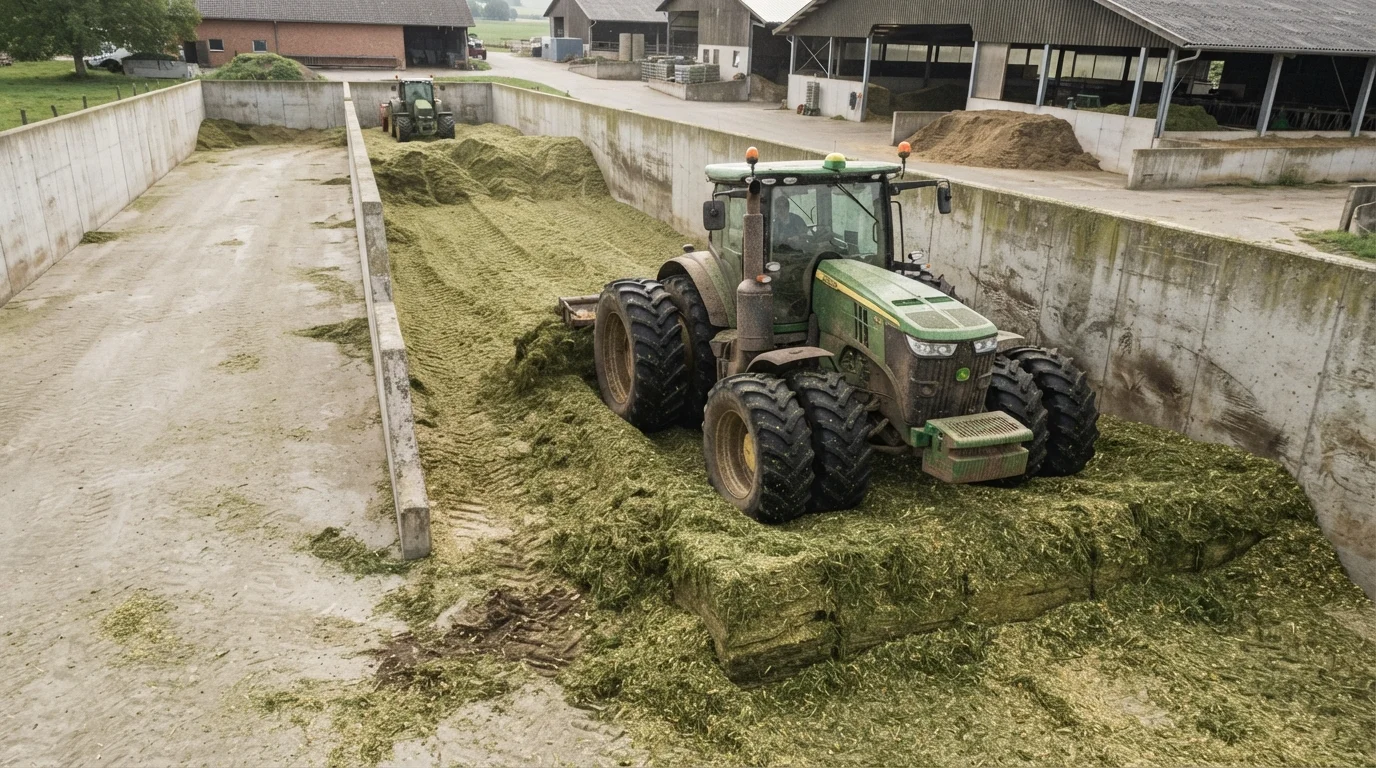
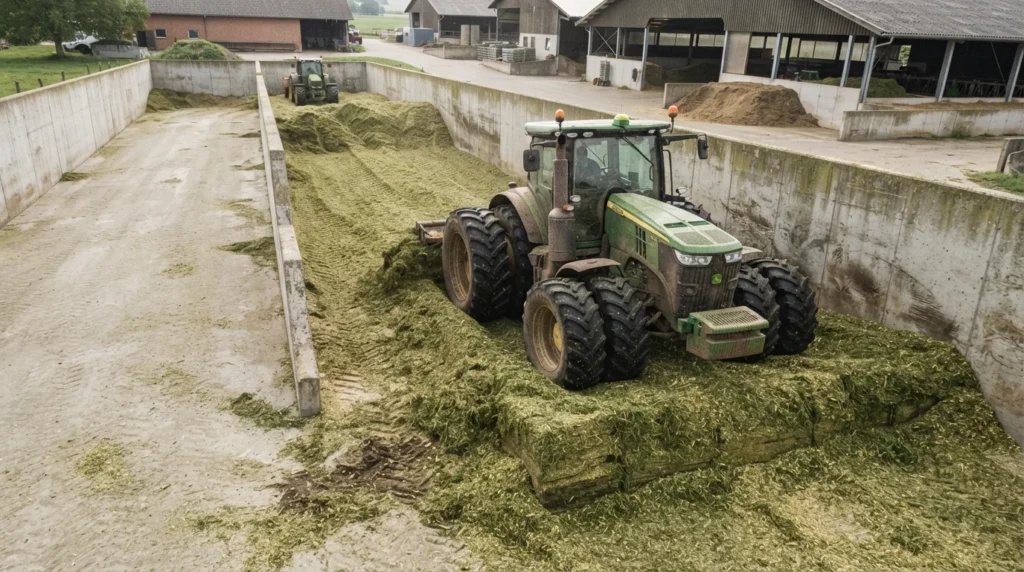
Pack in thin layers with heavy machinery. Poor packing leaves air, causing heating and spoilage.
Step 5: Seal Immediately
Cover with good-quality plastic and weigh it down so it stays airtight.
Step 6: Let It Ferment
Leave the silage sealed for several weeks before opening.
Step 7: Feed Out Carefully
Keep a clean, straight face and remove enough each day to limit heating. Discard spoiled material.
Choosing a Storage Method
- Bunker or clamp: good for large volumes; needs heavy packing and a good seal.
- Pit: low-cost option; drainage is essential.
- Bags: flexible and low loss when handled carefully.
- Bales: suited to smaller farms and grass silage.
Signs of Good and Poor Silage
Good silage smells pleasantly acidic, has a consistent colour, and shows no mould. Poor silage may smell strongly of vinegar or rot, feel slimy, or show mould and heating. Test samples to check nutritional value before balancing rations.
Common Mistakes When Learning How to Make Silage
- Slow filling over several days
- Thin or damaged plastic
- Poor packing at the edges
- Removing too little each day at feed-out
Further Reading
Forage and silage guides are available from Penn State Extension.
Planning Your Silage Needs
Work out how much silage your herd needs for the season, then add a margin for losses. Estimate daily feeding per animal, multiply by the number of animals and days, and plan crop area and storage to match. Running out of silage mid-season forces expensive feed purchases.
Safety Around Silage
Silage bunkers and pits can collapse, and fresh silage can release dangerous gases in enclosed spaces. Never stand close to a high silage face, keep children and visitors away, and ventilate enclosed silos before entering.
Summary
Harvest at the right stage, chop correctly, fill fast, pack hard, seal airtight, let it ferment, and feed out carefully. Every step is about keeping air out. Good silage lowers feed costs and supports milk yield and weight gain.
Get Expert Support
Our Dairy Farm Consultancy and Livestock Farm Consultancy teams help plan forage crops, silage storage, and rations. Better silage planning is one of the most reliable ways to lower feed costs on dairy and fattening farms.
Real Problems Farmers Report With Silage
Why does my silage heat up and go mouldy after opening?
Air is entering the silage. Common causes are poor packing, a damaged cover, slow feed-out, and an uneven face. Pack more densely during filling, seal immediately, remove enough silage each day, and keep the face clean and straight.
We ran out of silage before the season ended. How do we avoid this?
Calculate daily feeding needs for all animals and multiply by the feeding days, then add a margin for storage losses. Plan crop area and storage to match. Regular stock checks help you adjust rations before running out.
Sources and Further Reading
Frequently Asked Questions
Why does silage get hot after opening?
Air enters and allows yeasts and moulds to grow. Tight packing and a fast feed-out rate reduce heating.
Can silage additives help?
Suitable inoculants can improve fermentation or stability, but they cannot fix poor packing or sealing.
How long does silage take to ferment?
Usually a few weeks. Leave it sealed until fermentation is complete.
Want help with forage planning? See our Dairy Farm Consultancy.
Can I make silage from crop leftovers?
Some crops and by-products can be ensiled, but test quality and balance the ration.
Is black silage safe to feed?
No. Dark, rotten, or mouldy silage should be discarded.
About this guide: This guide was prepared by the Globale Green Consortium Editorial Team and reviewed by our Agricultural Consultancy team, based on the sources listed above and our practical work in this field. It is general information, not professional advice for your specific situation. Read our editorial policy or report an error.