Starting a Poultry Farm: A Planning Checklist Before You Invest
Starting a poultry farm takes more than building a shed and buying chicks. This checklist covers the key decisions to make before starting a poultry farm, so your investment has the best chance of success.
Quick answer: Before starting a poultry farm, decide on broilers or layers, confirm your market and buyers, choose a suitable site, plan housing and ventilation, budget for equipment, chicks, and feed, set up biosecurity, and prepare a realistic cash-flow plan. Feed is the largest running cost, so feed supply and quality should be planned from day one.
1. Broilers or Layers?
- Broilers: meat birds with short production cycles and faster cash flow, but sensitive to feed and market prices.
- Layers: egg production over a longer cycle with steadier income, but higher upfront investment and longer payback.
2. Market and Buyers
Identify who will buy your birds or eggs, at what price, and how often.
3. Site Selection
- Good road access for feed and bird transport
- Reliable electricity and clean water
- Distance from other poultry farms to reduce disease risk
- Suitable drainage and local permissions
4. Housing and Ventilation
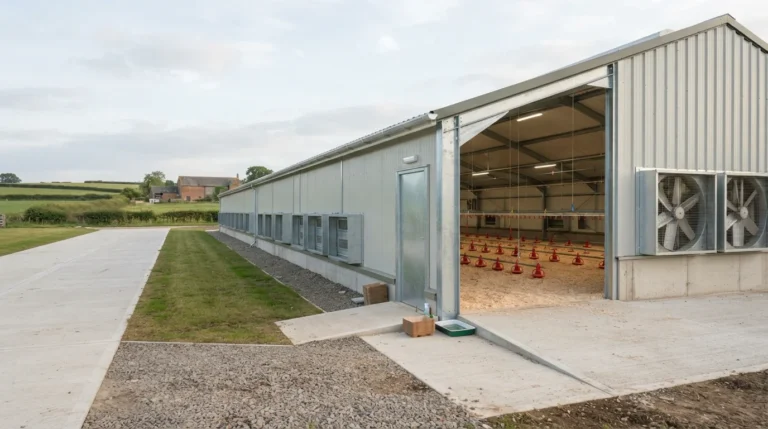
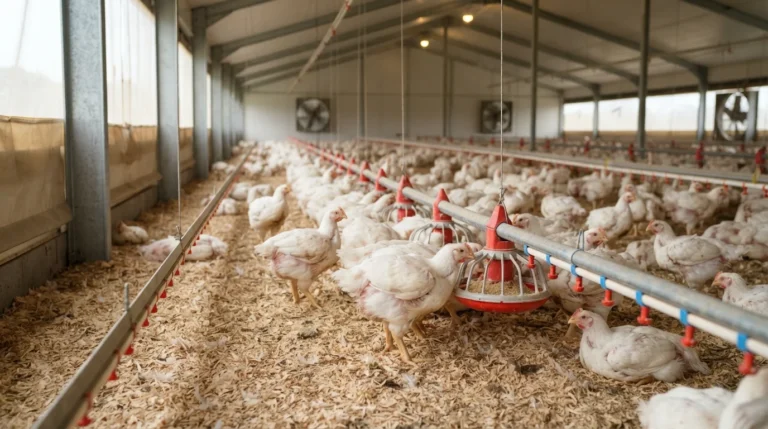
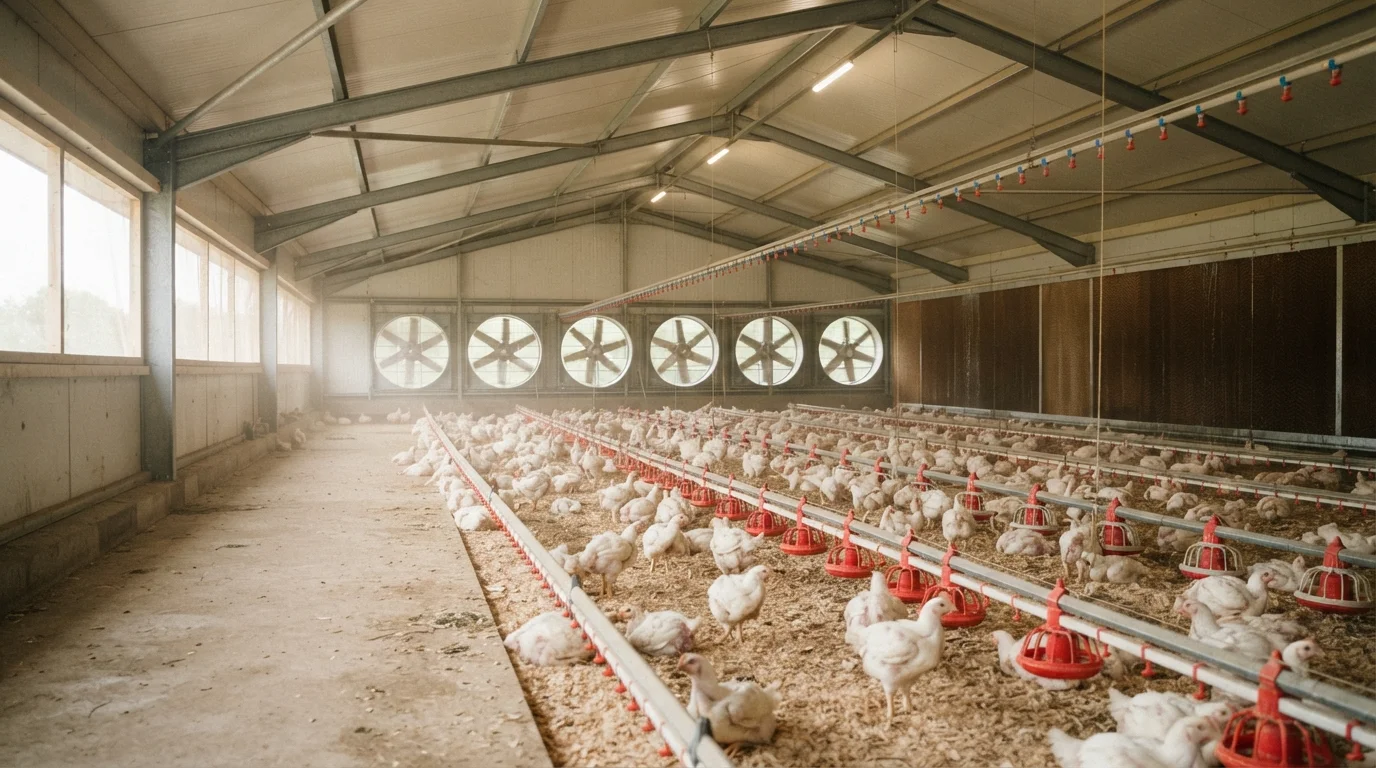
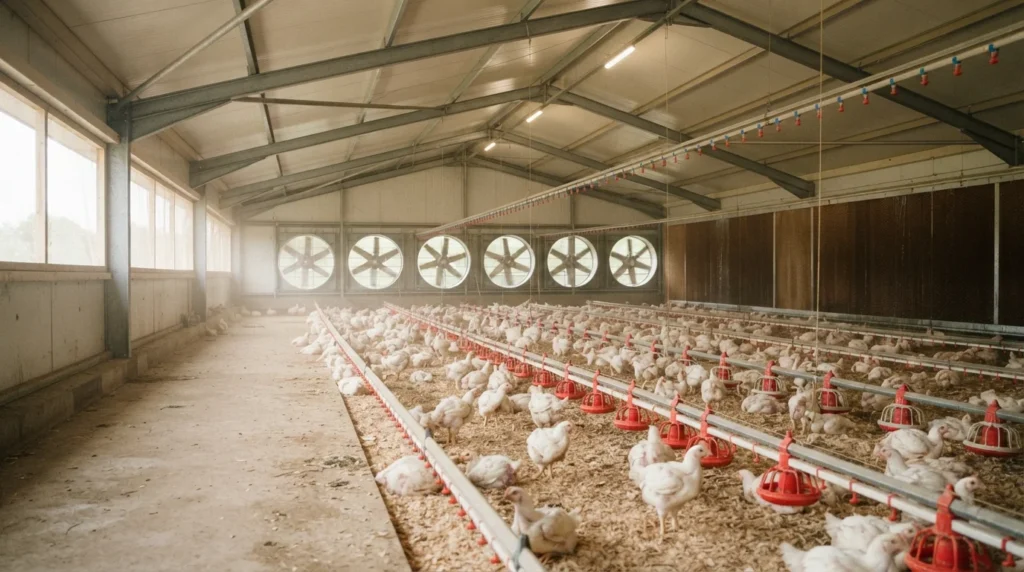
Housing should protect birds from heat, cold, and predators. Ventilation is critical for bird health and FCR. Environmentally controlled houses cost more but offer better performance.
5. Equipment
Feeders, drinkers, brooders, fans, lighting, and generators. Budget for backup power.
6. Chicks and Feed Supply
Source chicks from reliable hatcheries and secure consistent, good-quality feed.
7. Biosecurity
Plan fencing, footbaths, visitor rules, cleaning, and vaccination programs before the first flock arrives.
8. Budget and Cash Flow
Include construction, equipment, chicks, feed, medication, labour, utilities, and a reserve for price swings.
9. Records and Management
Track feed, weights, mortality, and costs for every flock.
Common Mistakes When Starting a Poultry Farm
- Building before confirming buyers
- Underestimating feed and working capital
- Poor ventilation design
- Weak biosecurity from the first flock
- No backup power
Starting Small vs Starting Big
Starting a poultry farm at a smaller scale lets you learn management and build buyers with lower risk. Larger farms benefit from economies of scale but need more capital and experience. Many successful farmers expand in stages once their first houses perform well.
Useful Resources
General guidance on poultry production and biosecurity is available from FAO poultry production resources. Breed management guides from companies such as Aviagen give housing and feeding targets.
Use Our Tools
Once your flocks are running, track performance with our free Broiler FCR Calculator.
Estimating Your Budget
When starting a poultry farm, list capital costs (land preparation, housing, equipment, generator, water system) separately from operating costs (chicks, feed, medicine, labour, electricity, litter). Keep enough working capital to run at least two flocks, because prices can fall and early flocks often perform below target while you learn. Many new farms fail because they run out of cash, not because of poor birds.
Summary
Confirm your market, choose broilers or layers, pick a safe and well-serviced site, plan ventilation and biosecurity from day one, and keep enough working capital for early flocks. Careful planning is the difference between a farm that grows and one that struggles.
Real Problems New Poultry Farmers Face
I built the shed, but no buyer will pay a fair price. What now?
This is one of the most common mistakes. Before the next flock, contact processors, wholesalers, retailers, and integrators to compare terms, and consider contract growing for price stability. Ideally, secure buyers before building. Selling through one middleman leaves you exposed to low prices.
How much money do I need before the first flock?
Beyond construction and equipment, you need working capital for chicks, feed, medicine, labour, electricity, and litter until the flock is sold and paid. Plan for at least two flocks of operating costs, because early results and payment timing are often worse than expected.
Sources and Further Reading
Frequently Asked Questions
Which is more profitable, broilers or layers?
It depends on local prices, investment, and management. Broilers give faster cash flow; layers give steadier income over a longer period.
What is the biggest running cost on a poultry farm?
Feed is usually the largest running cost.
Why is ventilation so important?
It controls temperature, humidity, and ammonia, all of which affect bird health, growth, and FCR.
Planning a new poultry farm? Our Agricultural Consultancy team can help with farm planning, housing, and feed management.
Is contract farming better than independent farming?
Contracts reduce price risk but limit upside. Compare terms carefully.
What happens if disease hits the first flock?
Losses can be severe. Strong biosecurity and a vaccination plan are essential from day one.
About this guide: This guide was prepared by the Globale Green Consortium Editorial Team and reviewed by our Agricultural Consultancy team, based on the sources listed above and our practical work in this field. It is general information, not professional advice for your specific situation. Read our editorial policy or report an error.