Animal Nutrition and Feed Consultancy
Animal nutrition consultancy: feed formulation and feeding programs for poultry, dairy, and livestock that balance performance and cost.
Talk to a Nutrition Consultant
Free, no-obligation reply. Prefer to talk? Call or WhatsApp +1 (917) 500-5448.
What does an animal nutrition consultant do?
An animal nutrition consultant designs feeds and feeding programs that meet an animal’s needs for energy, protein, amino acids, vitamins, and minerals at the lowest practical cost. The work includes ration formulation, ingredient evaluation, feed quality control, and troubleshooting problems such as poor growth, low milk yield, or high feed conversion ratio.
Animal Nutrition and Feed Services
- Feed formulation: least-cost, nutritionally balanced rations.
- Poultry nutrition: phase feeding for broilers and layers.
- Ruminant nutrition: dairy and beef cattle, sheep, and goats.
- Ingredient evaluation: using local ingredients and by-products safely.
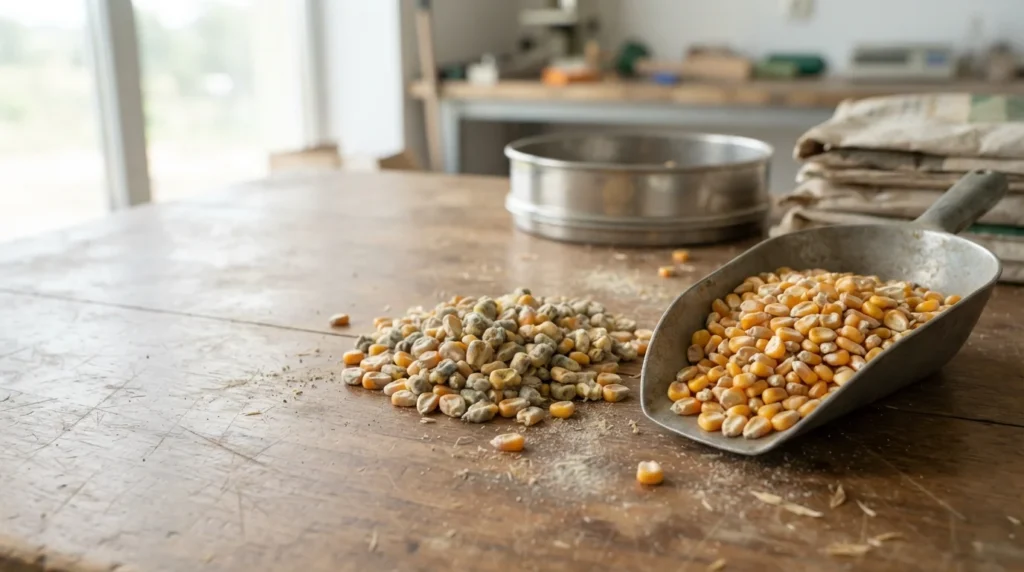
- Feed quality control: raw material testing and mycotoxin risk management.
- Feed mill support: formulation and quality systems for feed producers.
How can I reduce feed costs without hurting performance?
Feed costs can usually be reduced safely by formulating to the animal’s real requirements, using tested local ingredients, controlling feed quality, reducing waste, and matching feeds to each growth or production stage. The target is the lowest cost per kilogram of meat, litre of milk, or dozen eggs, not the cheapest feed.
Who We Work With
- Poultry, dairy, and livestock farmers
- Feed mills and feed producers
- Agribusinesses and farm investors
Why Animal Nutrition Consultancy Matters
Feed is the largest cost in most animal production systems. Animal nutrition consultancy makes sure every kilogram of feed delivers the nutrients animals need, without paying for nutrients they do not use. The result is better performance at a lower cost per unit of meat, milk, or eggs.
Common Problems We Help Solve
- Rising feed costs
- Poor growth, FCR, milk yield, or egg production
- Inconsistent feed quality
- Mycotoxin risk in ingredients
- Using new or local ingredients safely
Experience Across Species
Our animal nutrition consultancy covers broilers, layers, dairy cattle, beef cattle, sheep, and goats, and supports both farms and feed producers.
Guides and Resources
Read Mycotoxins in Animal Feed, Broiler FCR, and How to Reduce Dairy Feed Costs. The FAO animal feed resources provide international guidance on feed safety and quality.
What You Receive
- Formulations tailored to your animals and ingredients
- Ingredient and quality control recommendations
- Follow-up reviews of performance
What to Prepare Before Your Consultation
- Species, age groups, and production level
- Current feed formulas or feed labels
- Ingredient list and prices
- Performance records: growth, FCR, milk, or eggs
- Any known health or feed quality concerns
How Feed Formulation Works
A formulation starts with the nutrient requirements of the animal at each stage. Available ingredients are then combined to meet those requirements at the lowest practical cost, within safe limits for each ingredient. The formula is checked against real performance and adjusted as prices and ingredients change.
Working With Feed Mills
For feed producers, we support formulation, raw material specifications, and quality control, so every batch delivers consistent results for customers.
Common Problems Farms and Feed Mills Face
Our feed price keeps rising. Can formulation really help?
Yes. Reformulating to real nutrient requirements, using tested local ingredients, and adjusting as ingredient prices change can lower cost while protecting performance. The aim is the lowest cost per kilogram of product, such as meat, milk, or eggs, not simply the cheapest feed.
Our feed quality is inconsistent from batch to batch. Why?
Inconsistency usually comes from variable raw materials, weak ingredient specifications, poor mixing, or storage problems. Setting specifications, testing key ingredients, and checking mixing and storage practices improves consistency and animal performance.
Frequently Asked Questions
Do you formulate feed for feed mills?
Yes. We support feed producers with formulation and quality systems.
Can local by-products be used in animal feed?
Often yes, if they are tested, consistent, and correctly balanced in the ration.
Which animals do you cover?
Poultry, dairy and beef cattle, sheep, and goats.
Can you use our local ingredients?
Yes, where they are tested and safely balanced in the ration.
Do you train feed mill staff?
Contact us to discuss training on quality control and formulation.
Get Expert Animal Nutrition Support
Share your species, current feeds, and goals. See all our Agricultural Consultancy services.