
Metal Recycling for a Circular Economy
Metal recycling for ferrous and non-ferrous scrap: Globale Green Consortium recovers, sorts, and recycles metals so valuable materials return to productive use.
Request a Recycling Quote
Free, no-obligation reply. Prefer to talk? Call or WhatsApp +1 (917) 500-5448.
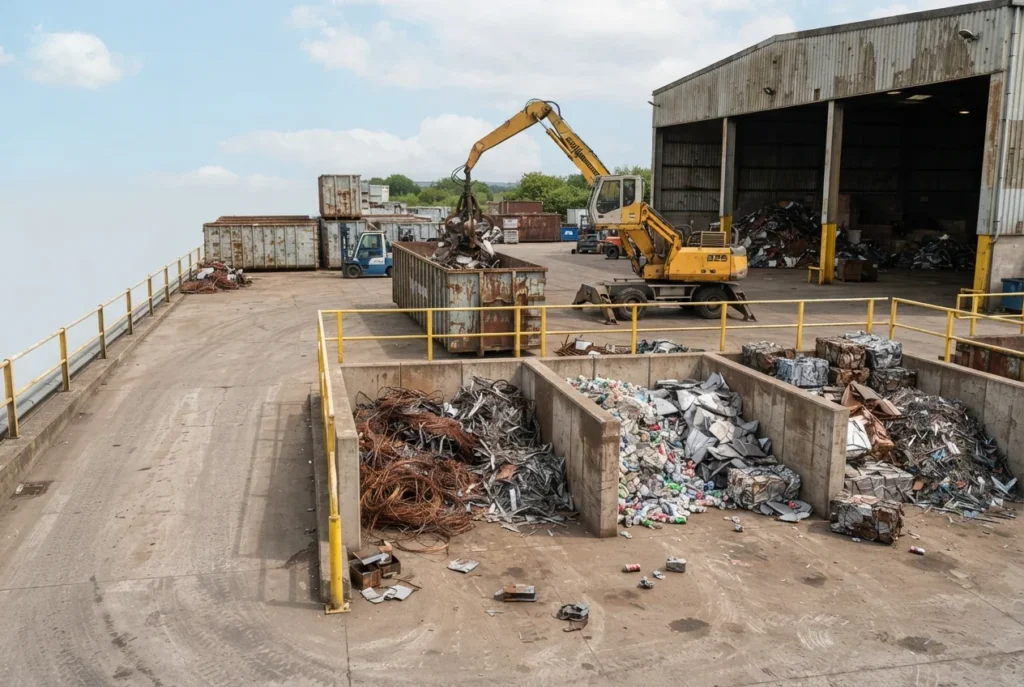
Turning Scrap Metal Into a Resource
Metals can be recycled again and again without losing their core properties. Recovering them saves raw materials, cuts energy use compared with primary production, and reduces waste sent to landfill.
Our metal recycling division works with businesses, contractors, and suppliers that generate scrap or need a reliable partner for recovered metals. We focus on responsible handling, clear communication, and long-term relationships.
Metal Recycling Services
Practical services for businesses that generate, trade, or need recovered metals.
Ferrous Metal Recycling
Collection and recycling of steel and iron scrap from industrial, construction, and commercial sources.
Non-Ferrous Metal Recycling
Recovery of copper, aluminium, brass, and other non-ferrous metals that hold strong reuse value.
Scrap Sorting and Grading
Separating mixed scrap by metal type and grade so materials can be priced fairly and processed efficiently.
Industrial and Commercial Scrap
Recycling programs for manufacturers, workshops, and facilities that produce regular scrap volumes.
Construction and Demolition Metal
Recovery of structural steel, piping, wiring, and fittings from building and demolition projects.
Recycled Metal Supply
Connecting recovered metals with buyers and processors that return them to manufacturing.
Who We Work With
Manufacturers
Facilities with steady production scrap that want a dependable recycling partner.
Contractors
Construction and demolition teams clearing metal from job sites.
Suppliers and Traders
Businesses buying or selling recovered metals in larger volumes.
How We Work
1. Inquiry
Tell us the metal types, estimated volume, and location.
2. Assessment
We review the material and discuss handling, grading, and logistics.
3. Recovery
Materials are collected or delivered, sorted, and sent for recycling.
Why Metal Recycling Matters
Every tonne of metal recovered is a tonne that does not need to be mined and refined from raw ore. Recycling keeps materials in circulation, lowers the environmental footprint of manufacturing, and supports a circular economy where waste becomes input.
Explore Our Metal Recycling Services
- Metals We Recycle: accepted ferrous and non-ferrous scrap.
- Commercial Scrap Metal Recycling: scheduled programs for businesses.
Have Scrap Metal or Need Recovered Metals?
Share your material type, estimated quantity, and location, and our team will get back to you to discuss the next steps.
Why Businesses Choose Professional Metal Recycling
Professional metal recycling turns a waste stream into a managed resource. Instead of mixed skips and one-off sales, businesses get sorted containers, predictable collections, fair grading, and records they can use for cost and sustainability reporting.
Metal Recycling and the Environment
Recycling metals saves energy and raw materials. The Aluminum Association reports that recycled aluminium needs only a small fraction of the energy of new aluminium, and the US EPA metals recycling data shows millions of tons of metal recovered every year in the United States.
Metal Recycling Guides
Who We Work With
We work with manufacturers, fabrication shops, automotive workshops, electrical and plumbing contractors, demolition firms, and facility managers. Some produce a few containers a month; others produce steady, larger volumes. Each gets a plan suited to its site, space, and material types.
What Happens After Collection
Collected material is weighed, graded, and recorded. It is then prepared for mills, smelters, and processors that turn it back into new products, from building steel to wiring and packaging.
Common Problems Businesses Have With Scrap Metal
Why do we get so little for our scrap?
Low returns usually come from mixed loads, contamination, and small, irregular volumes. Mixed scrap is often paid at the lowest metal’s rate. Separating copper, brass, aluminium, and stainless steel from steel, and setting up regular collection, typically improves the value you receive.
Our scrap collector is unreliable. What should we look for instead?
Look for a recycler that offers scheduled or on-call collection, clear grading, printed weight tickets, and a named contact. Reliable service keeps your site clear and gives you records you can check. Agree expectations in writing before starting.
Frequently Asked Questions
What types of metal do you recycle?
We handle ferrous metals such as steel and iron, and non-ferrous metals such as copper, aluminium, and brass. Contact us to confirm specific materials.
Do you work with businesses only?
Our focus is on commercial, industrial, and construction sources that produce regular or larger volumes of scrap.
How is scrap metal priced?
Pricing depends on metal type, grade, cleanliness, quantity, and current market conditions. We discuss this after reviewing your material.
How do I start?
Use the contact form, select Metal Recycling as your inquiry type, and include the metal types, volume, and location.
Do you provide weight tickets?
Yes. Every load is weighed and recorded.
Can you collect from construction sites?
Yes. See our guide to construction and demolition metal recycling.
Let’s Discuss Your Metal Recycling Needs
Contact Globale Green Consortium for scrap metal recycling, recovered metal supply, or partnership inquiries.