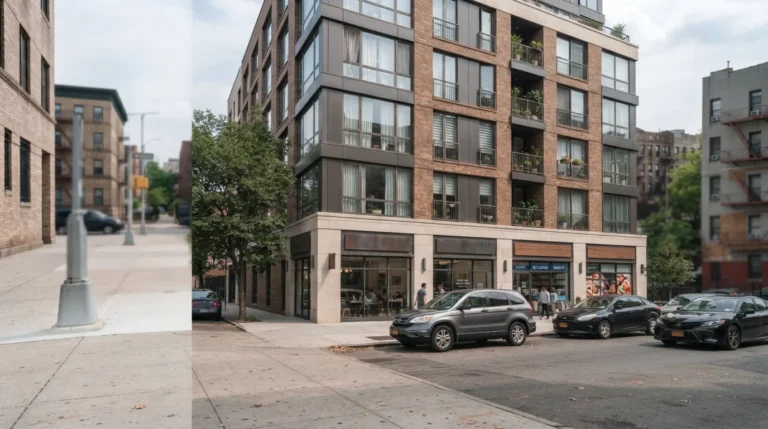
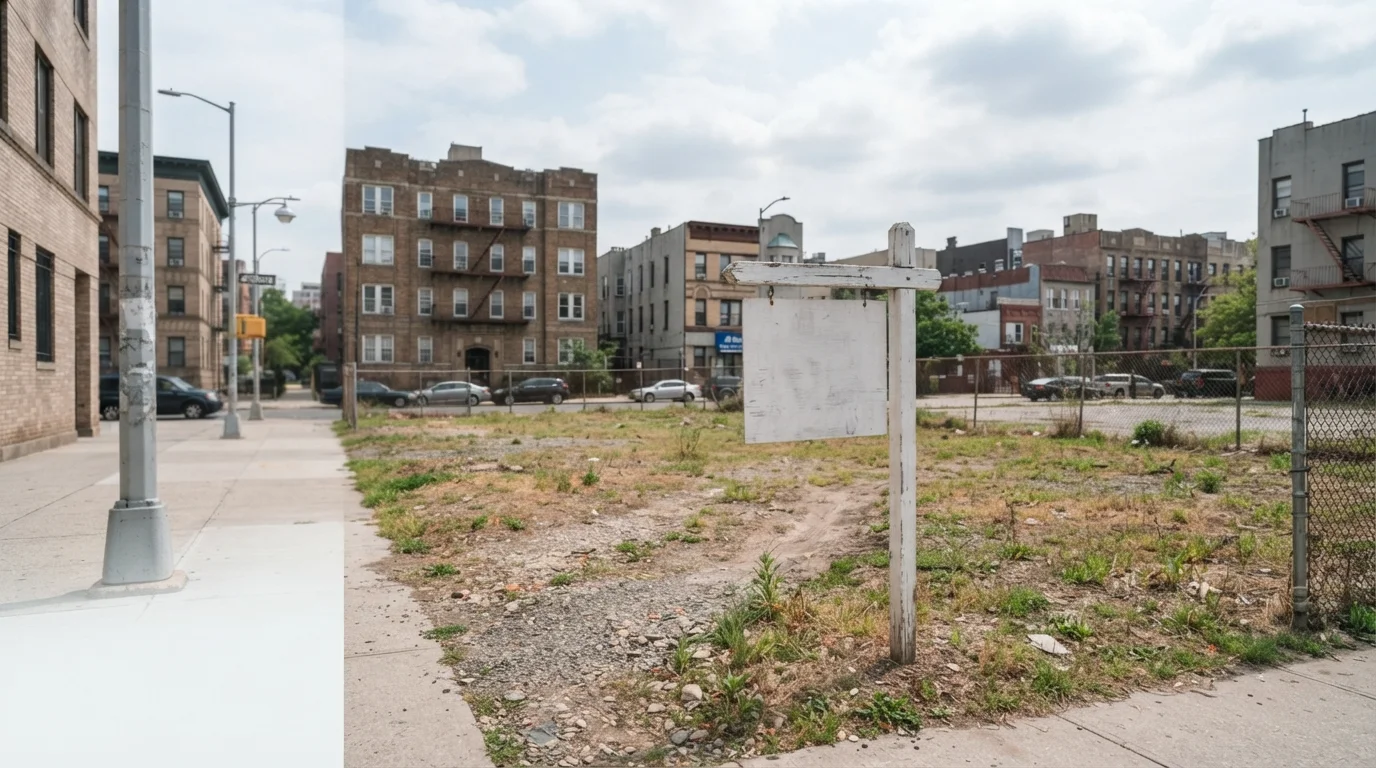
Selling Land to a Developer: How It Works and How to Get Fair Value
Selling land to a developer is different from selling a finished home, because the buyer values your land by what it can become. This guide explains how pricing works when selling land to a developer and how to prepare.
Quick answer: Developers value land based on what can be built on it and what the finished project will be worth, minus construction costs, financing, and profit. Owners get fairer value by understanding the site’s zoning potential, getting an independent valuation, marketing to several buyers, and having a real estate attorney review terms.
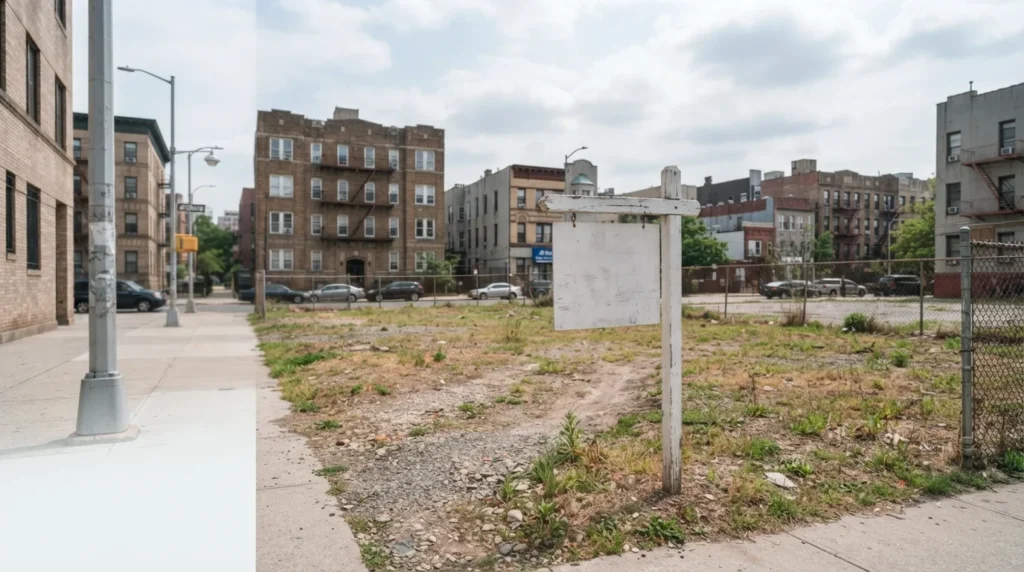
How Developers Value Land
Developers often work backwards: the expected value of the completed building, minus hard costs, soft costs, financing, and required profit, gives the most they can pay for the land. This is called the residual land value.
What Affects the Price of Development Land?
- Zoning and allowable floor area
- Location and demand
- Site conditions, such as soil, access, and environmental issues
- Existing tenants or structures
- Construction and financing costs at the time
How to Prepare Before Selling
- Gather title, surveys, and building records.
- Understand your zoning and development potential.
- Get an independent valuation.
- Speak to more than one buyer.
- Have a real estate attorney review offers and contracts.
Sale or Joint Venture?
A sale gives certainty and faster payment. A joint venture can offer more upside but shares risk and takes longer. See Real Estate Joint Ventures.
Common Deal Structures When Selling Land to a Developer
- Cash sale: a straightforward sale at an agreed price.
- Conditional sale: the sale completes only after the developer secures approvals.
- Option agreement: the developer pays for the right to buy within a set time.
- Joint venture: the owner stays involved and shares in the project.
Factors That Can Increase Your Land Value
- Clear title and no unresolved violations
- Vacant possession or manageable leases
- Good access and utilities
- Zoning that supports a larger or better building
Useful Resources
Check zoning and development rules with the NYC Department of City Planning. Keep in mind that conditional sales can take longer, so balance price against certainty and timing when selling land to a developer.
Timeline of a Typical Land Sale
- Preparation: gather documents and understand zoning.
- Marketing: approach developers directly or through a broker.
- Offers: compare price, conditions, deposit, and timing.
- Due diligence: the buyer checks title, zoning, and site conditions.
- Closing: payment and transfer, or approvals first under a conditional deal.
Tax and Legal Considerations
Land sales can have significant tax consequences. Speak to a tax advisor and a real estate attorney before agreeing terms, especially for inherited or long-held property.
Mistakes to Avoid
- Accepting the first offer without testing the market
- Signing exclusivity without a deadline
- Not checking the buyer’s ability to complete the purchase
Working With a Broker
A broker experienced in development land can bring more buyers to the table, prepare marketing materials, and help compare offers. Agree the broker’s fee and the length of any exclusive period in writing before starting.
Summary
Understand zoning potential, get an independent valuation, market to several buyers, compare conditions as well as price, and take legal and tax advice. Preparation leads to fairer value and fewer surprises.
Common Worries When Selling Land
A developer made an unsolicited offer. Is it a fair price?
An unsolicited offer may be fair, low, or high, but you cannot tell without evidence. Get an independent valuation, understand your zoning potential, and test the market with other buyers. Competition is the most reliable way to confirm fair value.
Why do developers want long conditions before buying?
Developers often need zoning approvals, financing, or permits before committing. Conditions protect them but delay your payment and add uncertainty. You can ask for a non-refundable deposit, deadlines, or a higher price in return for accepting conditions.
Sources and Further Reading
Frequently Asked Questions
What is residual land value?
The value of the completed project minus all development costs and profit, which shows the most a developer can pay for land.
Should I sell land “as is”?
Many owners do. Understanding zoning potential first helps you judge offers.
Do I need an attorney?
Yes. A real estate attorney should review offers and contracts before signing.
This article is general information, not legal or financial advice.
Should I sign an exclusivity agreement?
Only with a clear, short deadline and ideally a deposit.
Do I have to disclose problems with the land?
Disclosure rules vary. Take legal advice and be honest about known issues.
About this guide: This guide was prepared by the Globale Green Consortium Editorial Team and reviewed by our Real Estate team, based on the sources listed above and our practical work in this field. It is general information, not professional advice for your specific situation. Read our editorial policy or report an error.