Recycling Electric Motors and Transformers: What Businesses Should Know
Electric motor recycling recovers copper, aluminium, and steel from motors that are no longer in service. This guide explains how electric motor recycling works and how transformers are handled.
Quick answer: Electric motors and transformers are recycled for their copper or aluminium windings and steel cores. They are usually sold as their own scrap category rather than as pure copper. Drain oil where required, remove non-metal attachments, and tell your recycler about any oil-filled or older transformers before delivery.
What Do Motors and Transformers Contain?
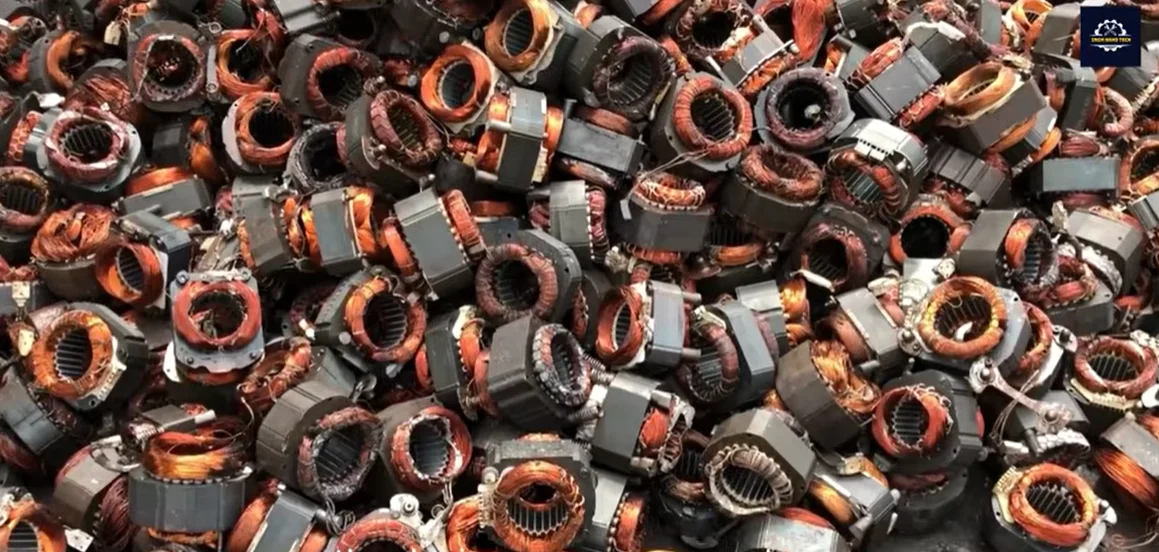
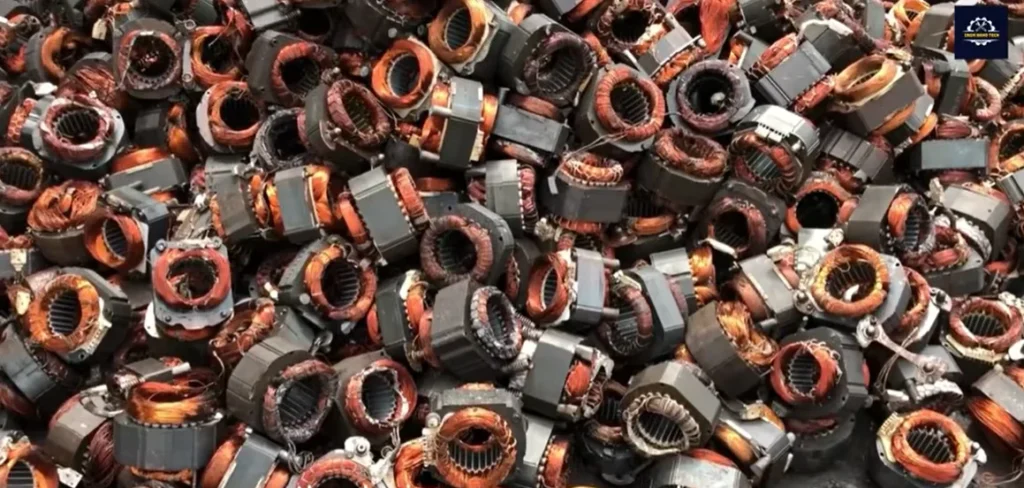
- Copper or aluminium windings
- Steel cores and housings
- Sometimes cast aluminium or cast iron casings
- Insulation, varnish, and in some transformers, oil
How Are They Priced?
Motors are usually priced as a separate grade based on typical copper content. Larger motors and copper-wound units generally earn more than small or aluminium-wound units.
Safety and Oil-Filled Transformers
Some transformers contain oil. Older equipment may contain hazardous substances and must be handled by specialists under local regulations. Always tell your recycler about oil-filled equipment before delivery.
How to Prepare Motors for Recycling
- Disconnect and remove from equipment safely.
- Drain oil where applicable and permitted.
- Remove plastic covers and non-metal parts.
- Keep motors separate from other scrap.
Where Motors Come From
Businesses produce scrap motors from pumps, compressors, fans, conveyors, machine tools, and HVAC equipment. Planned equipment upgrades are a good time to arrange electric motor recycling in bulk.
How to Get the Best Value From Electric Motor Recycling
- Keep motors separate from mixed steel scrap
- Group large and small motors if your recycler grades them differently
- Remove non-metal covers and bases
- Tell your recycler about quantities in advance
Safety With Transformers
Oil-filled transformers need special care. The US EPA explains the rules for equipment that may contain PCBs, which were used in some older electrical equipment. Always check before handling or transporting older units.
What Happens to Motors After Collection?
At a recycling facility, motors are sorted by size and type. They may be sold whole to specialist processors or dismantled with machinery. The copper or aluminium windings are separated from the steel core and housing, and each metal is sent to the right smelter or mill.
Small Motors vs Large Motors
Small motors, such as those in appliances and power tools, contain less copper relative to their steel. Large industrial motors often contain a higher share of copper windings. Recyclers therefore often grade them separately.
Keeping Records
For businesses, recording motor weights and collection dates supports environmental reporting and helps estimate the value of future equipment upgrades.
Planning a Motor Replacement Project
When replacing many motors, for example during an energy-efficiency upgrade, plan electric motor recycling as part of the project. Agree container sizes and collection dates with your recycler before work starts. This keeps old motors off the production floor, reduces handling, and ensures you receive fair value for the copper and steel they contain.
Environmental Benefits
Recovering copper and steel from motors reduces the need for new mining and refining, and keeps heavy equipment out of landfill.
Summary
Motors and transformers are recycled for copper, aluminium, and steel. Keep them separate, remove non-metal parts, handle oil-filled equipment carefully, and plan collection around equipment upgrades.
Common Questions About Old Motors
Why are motors paid less than copper?
A motor contains copper or aluminium windings, but most of its weight is steel. Recyclers price motors as their own grade based on typical metal content. That is why a motor earns less per kilogram than clean copper, even though it contains copper.
Should I dismantle motors myself?
Usually not. Dismantling takes time, tools, and safety precautions, and the extra value may be small once your labour is counted. Businesses with very large motors or many units can ask their recycler whether dismantling is worthwhile for their volumes.
Sources and Further Reading
Frequently Asked Questions
Should I take motors apart to get the copper?
Usually not. Dismantling takes time and equipment, and motors are already priced for their copper content.
Are old transformers hazardous?
Some older oil-filled transformers may be. Treat them with care and discuss them with your recycler first.
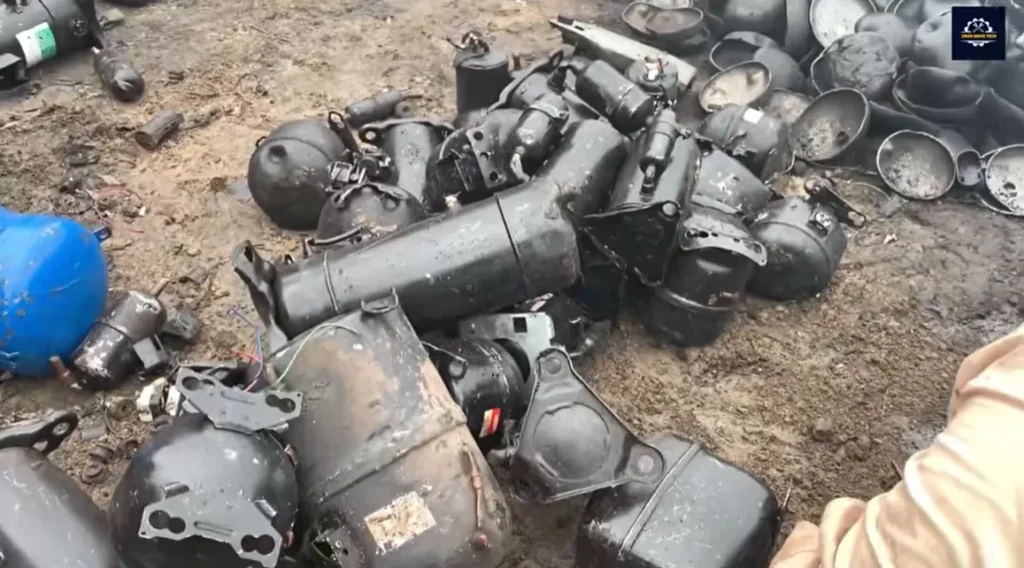
Do sealed compressor units count as motors?
They are often graded separately. Ask your recycler.
See the full list of Metals We Recycle.
Can burnt-out motors be recycled?
Yes. Motors are recycled for their metal content whether or not they work.
Are sealed compressors the same as motors?
Often not. They may contain oil and are usually graded separately.
About this guide: This guide was prepared by the Globale Green Consortium Editorial Team and reviewed by our Metal Recycling team, based on the sources listed above and our practical work in this field. It is general information, not professional advice for your specific situation. Read our editorial policy or report an error.