How to Evaluate a Development Site: A Due Diligence Checklist
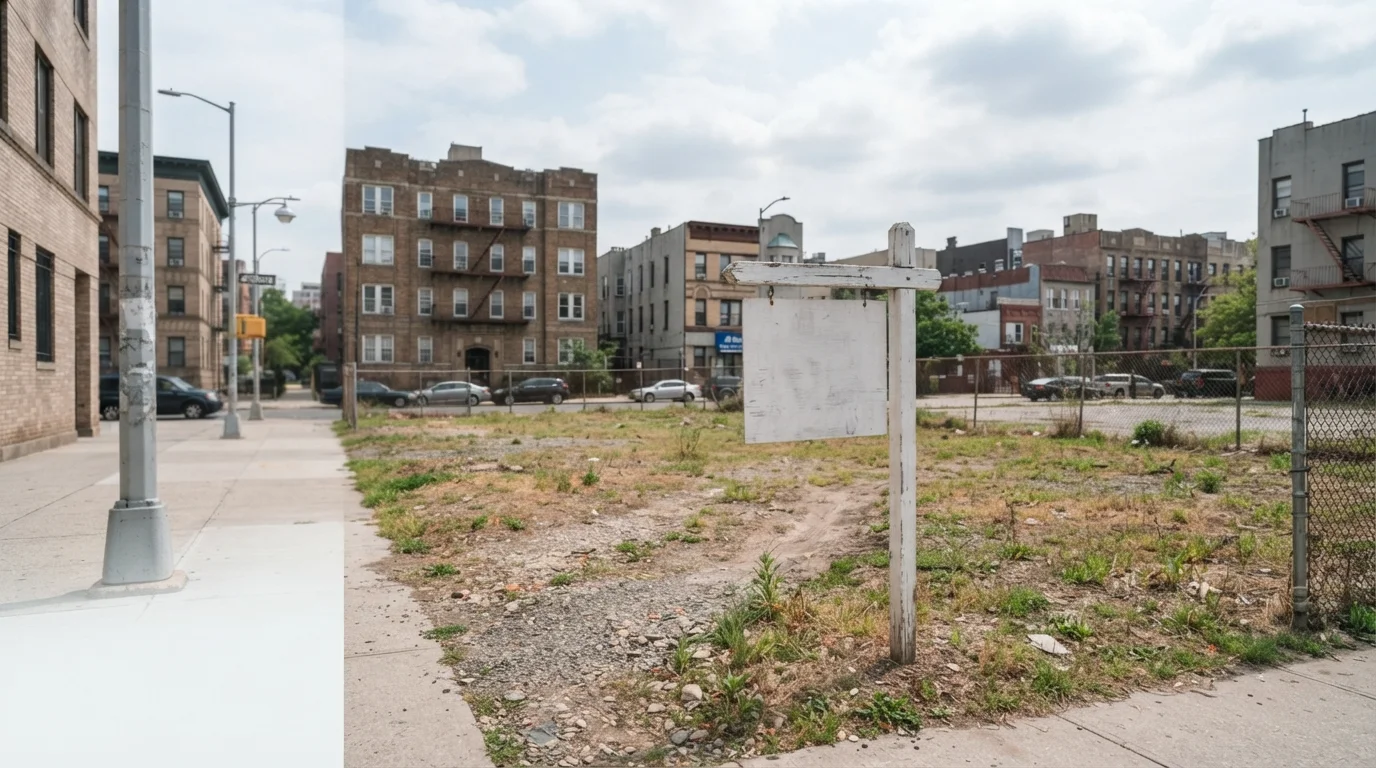
Development site due diligence protects you from buying land that cannot deliver the project you plan. This checklist covers the main areas of development site due diligence, from zoning and title to market demand and financial feasibility.
Quick answer: Before buying a development site, check its zoning and allowable floor area, title and legal restrictions, environmental condition, physical and structural constraints, utilities and access, local market demand, and full project costs. A site only has value if what can legally be built there can be built and sold or rented at a profit.
1. Zoning and Land Use
- Permitted uses (residential, commercial, mixed use)
- Allowable floor area, height, and setbacks
- Parking, open space, and any special district rules
- Whether the plan needs variances or special permits
2. Title and Legal Checks
- Clear title and ownership history
- Easements, covenants, and deed restrictions
- Liens, violations, and open permits
- Existing tenants or leases
3. Environmental Review
- Past uses that may have left contamination
- A Phase I environmental site assessment, and a Phase II if needed
- Flood zone status and resilience requirements
4. Physical Site Conditions
- Soil and foundation conditions
- Condition of existing structures
- Neighbouring buildings and protection requirements
- Access for construction
5. Utilities and Infrastructure
- Water, sewer, power, and gas capacity
- Street access and transit connections
6. Market Analysis
- Demand for the planned use in that neighbourhood
- Comparable rents and sale prices
- Upcoming competing developments
7. Financial Feasibility
- Land, hard, and soft costs
- Financing costs and timeline
- Projected income or sales, and returns under different scenarios
Red Flags to Watch For
- Zoning that does not support the planned project
- Unresolved violations or title problems
- Signs of contamination with no testing history
- A price that only works in the best-case scenario
Who Should Be on Your Due Diligence Team?
- Real estate attorney: title, contracts, and legal restrictions
- Zoning consultant or architect: allowable uses and building envelope
- Environmental consultant: Phase I and, if needed, Phase II assessments
- Surveyor and engineers: boundaries, soil, and structure
- Cost estimator: realistic hard and soft costs
- Broker or market analyst: rents, prices, and demand
Development Site Due Diligence Timeline
A typical sequence starts with zoning and a quick feasibility test before signing, then moves to title, environmental, survey, and engineering work during the contract period. Build enough time into the purchase contract to complete development site due diligence properly.
Useful Resources
Zoning maps and rules are available from the NYC Department of City Planning. The US EPA Brownfields program explains environmental assessment of previously used land.
What to Do if Due Diligence Finds a Problem
Problems do not always end a deal. Depending on the issue, you may:
- Renegotiate the price to reflect extra costs
- Ask the seller to fix the problem before closing
- Adjust the project design to work around a constraint
- Walk away if the issue makes the project unviable
Make sure the purchase contract gives you the right to do these things within the due diligence period.
Keeping Records
Keep every report, survey, and letter in one place. Lenders, partners, and future buyers will ask for them, and a complete file makes financing and approvals much easier.
Common Mistakes Buyers Make
What if I find a problem after signing the contract?
That is why the due diligence period matters. A well-drafted purchase contract gives you time to investigate and the right to renegotiate or withdraw if serious issues appear. Without that protection, problems found after signing may become your cost.
Can I rely on the seller’s reports?
Seller reports are a useful start, but they may be old or prepared for another purpose. Lenders and partners usually want current reports addressed to you. Commission your own key checks, especially zoning, title, and environmental reviews.
Sources and Further Reading
Frequently Asked Questions
What is the most important check before buying a development site?
Zoning, because it decides what can legally be built and therefore largely sets the land’s value.
When is an environmental assessment needed?
It is good practice for any development site, and lenders usually require a Phase I assessment.
How long does due diligence take?
It depends on the site and the deal, but it often runs from a few weeks to a few months.
Have a site you want evaluated or developed? Explore our Real Estate division.
Is a survey always needed?
For development sites, yes. Boundaries and existing structures directly affect what can be built.
Who pays for due diligence?
Usually the buyer, which is why a quick feasibility check before spending heavily is useful.
About this guide: This guide was prepared by the Globale Green Consortium Editorial Team and reviewed by our Real Estate team, based on the sources listed above and our practical work in this field. It is general information, not professional advice for your specific situation. Read our editorial policy or report an error.