Mixed-Use Development Explained: Benefits, Challenges, and What Makes It Work
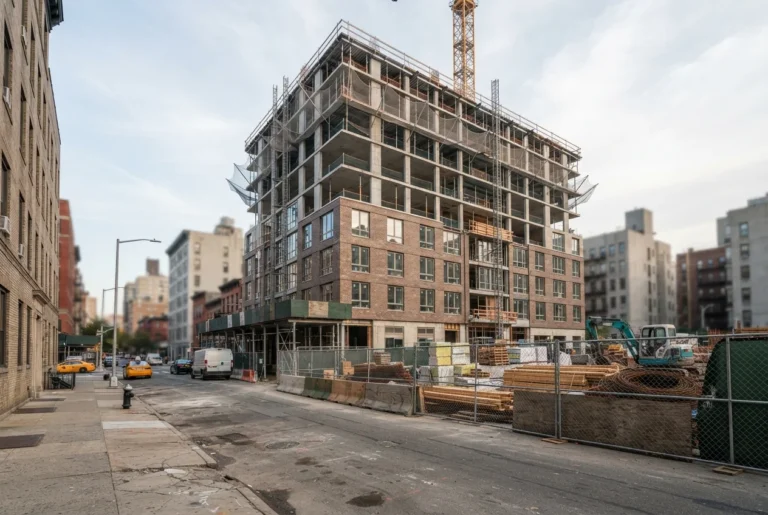
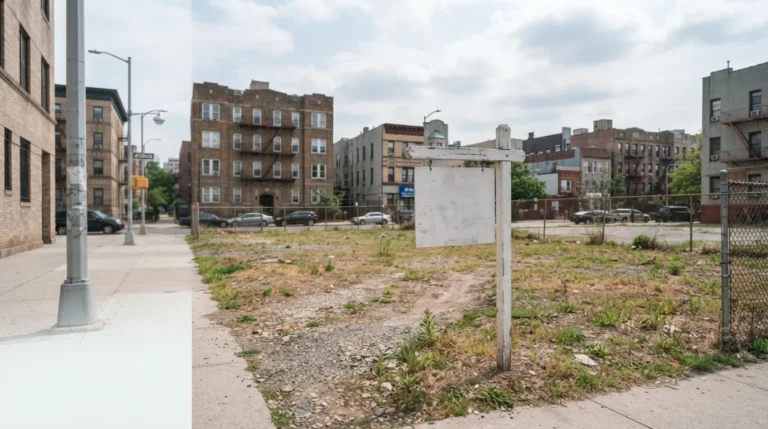
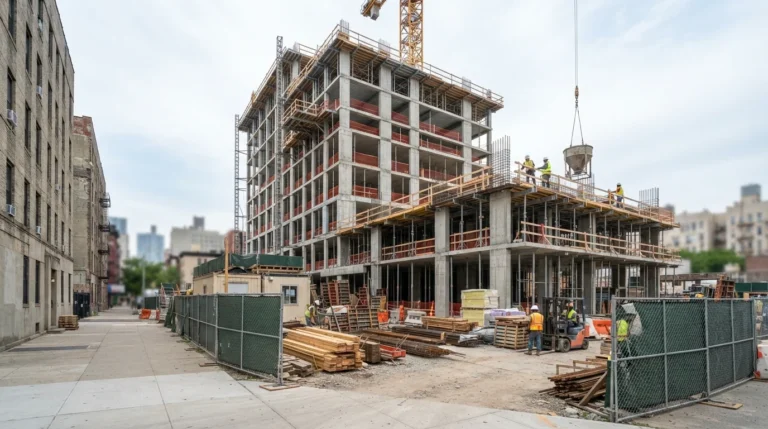
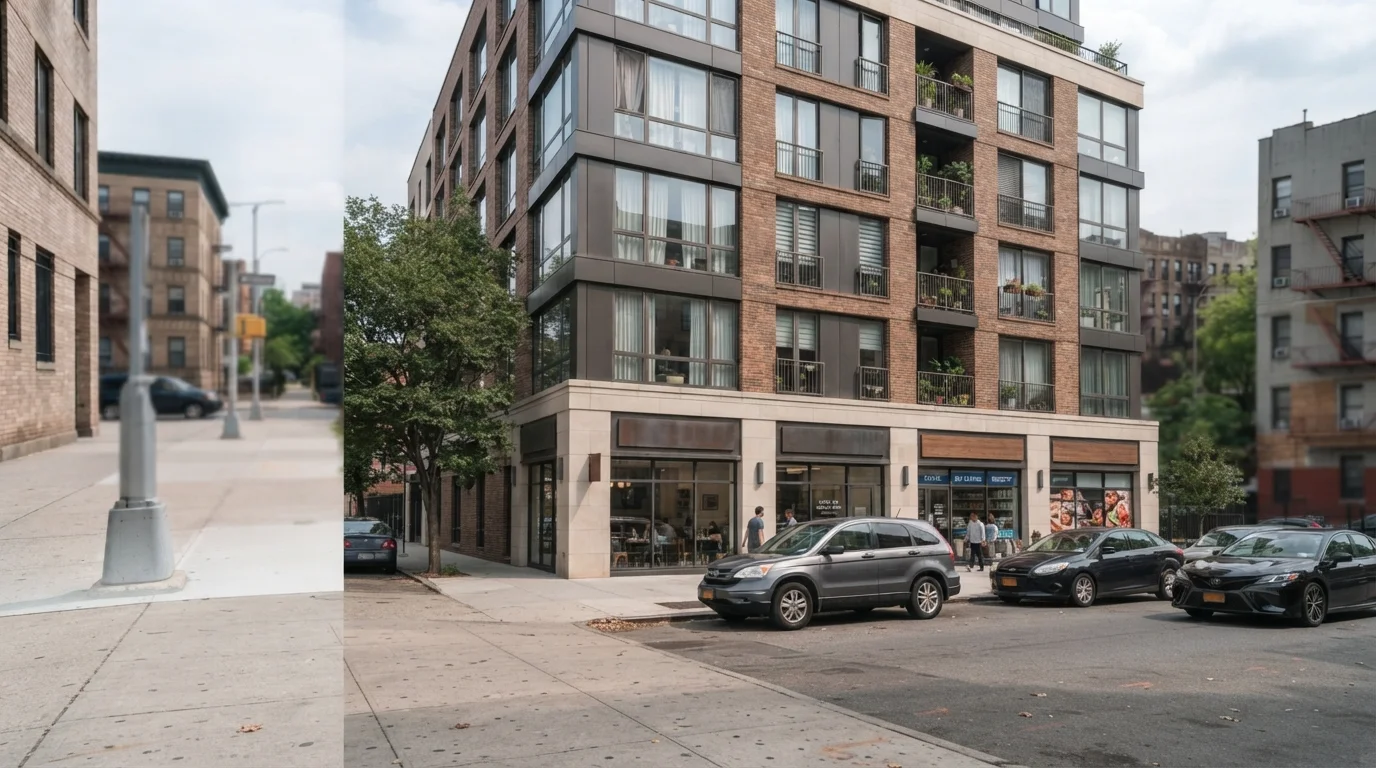
Mixed-use development brings homes, shops, and workplaces together, and it is a familiar part of city life in New York. This guide explains how mixed-use development works and what makes it succeed.
Quick answer: Mixed-use development combines two or more uses, such as residential, retail, and office, in one building or site. It creates walkable neighbourhoods, spreads income across different tenants, and makes efficient use of urban land. It also brings challenges, including more complex design, financing, and management.
Types of Mixed-Use Development
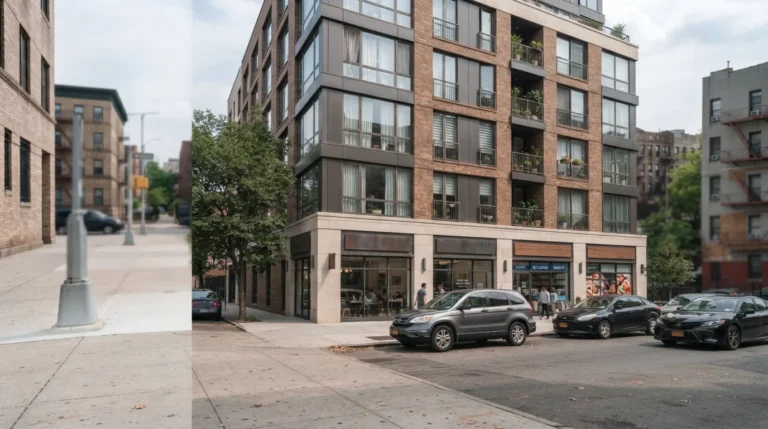
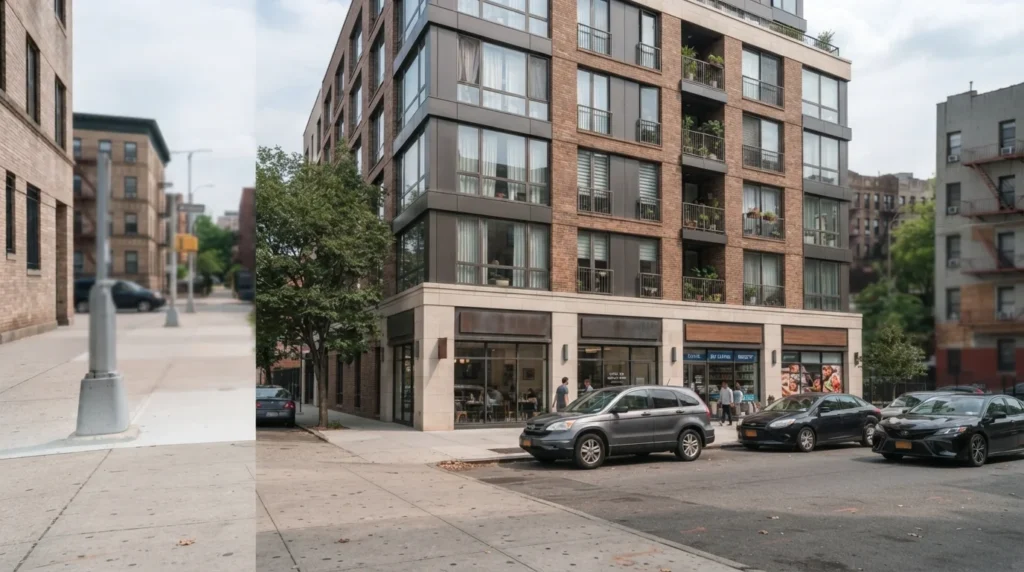
- Vertical: shops on the ground floor with apartments or offices above.
- Horizontal: different uses in separate buildings on one site.
- Mixed-use neighbourhoods: larger areas planned around a mix of uses.
Benefits
- Walkable, active streets
- Income from several tenant types
- Efficient use of land in dense areas
- Convenience for residents and workers
Challenges
- More complex design, codes, and approvals
- Different lease types and management needs
- Financing that must account for several uses
- Finding the right retail tenants
What Makes Mixed-Use Work?
- A location with demand for each use
- Ground-floor space designed for real retail needs
- Separate access and services for each use
- Realistic leasing and management plans
Mixed-Use Development and Zoning
Zoning decides which uses can be combined on a site and how much space each can have. Commercial and mixed-use zoning districts often allow ground-floor retail with homes above. The NYC Department of City Planning publishes details of each district.
Designing Ground-Floor Retail That Works
- Enough ceiling height and depth for real tenants
- Large windows and good street visibility
- Access for deliveries and waste
- Flexible layouts for different retail and service uses
Who Benefits From Mixed-Use Development?
Residents gain convenience. Businesses gain customers living and working nearby. Neighbourhoods gain activity throughout the day. Owners gain income from several tenant types, which can make a mixed-use development more resilient over time.
Financing a Mixed-Use Building
Lenders assess each part of the building separately. Residential income is often seen as steady, while retail and office income depends on tenants and leases. A strong plan shows realistic rents for each use, likely vacancy, and how shared costs are divided.
Managing a Mixed-Use Building
Good management keeps each group of occupants satisfied. That means separate entrances and services where needed, clear rules for deliveries and waste, and service charges that fairly reflect each use. Planning management during design makes operations easier later.
Is Mixed-Use Right for Your Site?
Mixed-use development works best on busy streets with steady foot traffic, good transport, and demand for both homes and local services. On quiet residential streets, a single use may be simpler and more successful.
Examples of Mixed-Use Combinations
- Apartments above neighbourhood shops
- Offices above ground-floor restaurants
- Homes, offices, and a community space on one site
- Hotels with retail and dining
Summary
Mixed-use buildings combine uses to create active streets and varied income. Success depends on location, good ground-floor design, clear management, and realistic plans for each use.
Explore Real Estate Opportunities
Our Real Estate division explores development and partnership opportunities in New York. Property owners can learn about Real Estate Joint Ventures, and investors can read about Real Estate Investment Partnerships.
Common Challenges in Mixed-Use Projects
Why do ground-floor shops in new buildings stay empty?
Retail space often stays vacant when it is too shallow, has low ceilings, lacks service access, or sits on streets without enough foot traffic. Asking rents that are too high also slows leasing. Designing for real tenant needs is the best prevention.
Do residents complain about businesses below?
They can, mainly about noise, odours, deliveries, and waste. Good design, such as sound insulation, separate entrances, ventilation for restaurants, and clear building rules, reduces conflicts between residential and commercial occupants.
Sources and Further Reading
Frequently Asked Questions
Is mixed-use common in New York?
Yes. Buildings with ground-floor retail and homes above are a traditional pattern across the city.
Is mixed-use riskier than residential?
It can be more complex, but it can also spread income across several tenant types.
Who uses mixed-use buildings?
Residents, retailers, offices, and service businesses, depending on the design and zoning.
Explore our Real Estate division.
Is mixed-use harder to finance?
It can be more complex because lenders assess each use separately.
Which businesses suit ground floors?
Cafes, shops, clinics, and services that serve local residents often work well.
About this guide: This guide was prepared by the Globale Green Consortium Editorial Team and reviewed by our Real Estate team, based on the sources listed above and our practical work in this field. It is general information, not professional advice for your specific situation. Read our editorial policy or report an error.