Mycotoxins in Animal Feed: Risks, Signs, and Prevention
Mycotoxins in animal feed are an invisible risk that can cut growth, milk, and egg production. This guide explains where mycotoxins in animal feed come from and how to reduce the risk.
Quick answer: Mycotoxins are toxic compounds produced by moulds on crops such as maize, wheat, and groundnuts. In animal feed they can reduce feed intake, growth, and immunity, and damage organs. Risk is controlled by buying good-quality ingredients, storing them dry and cool, testing high-risk batches, and using suitable binders when advised.
What Are Mycotoxins?
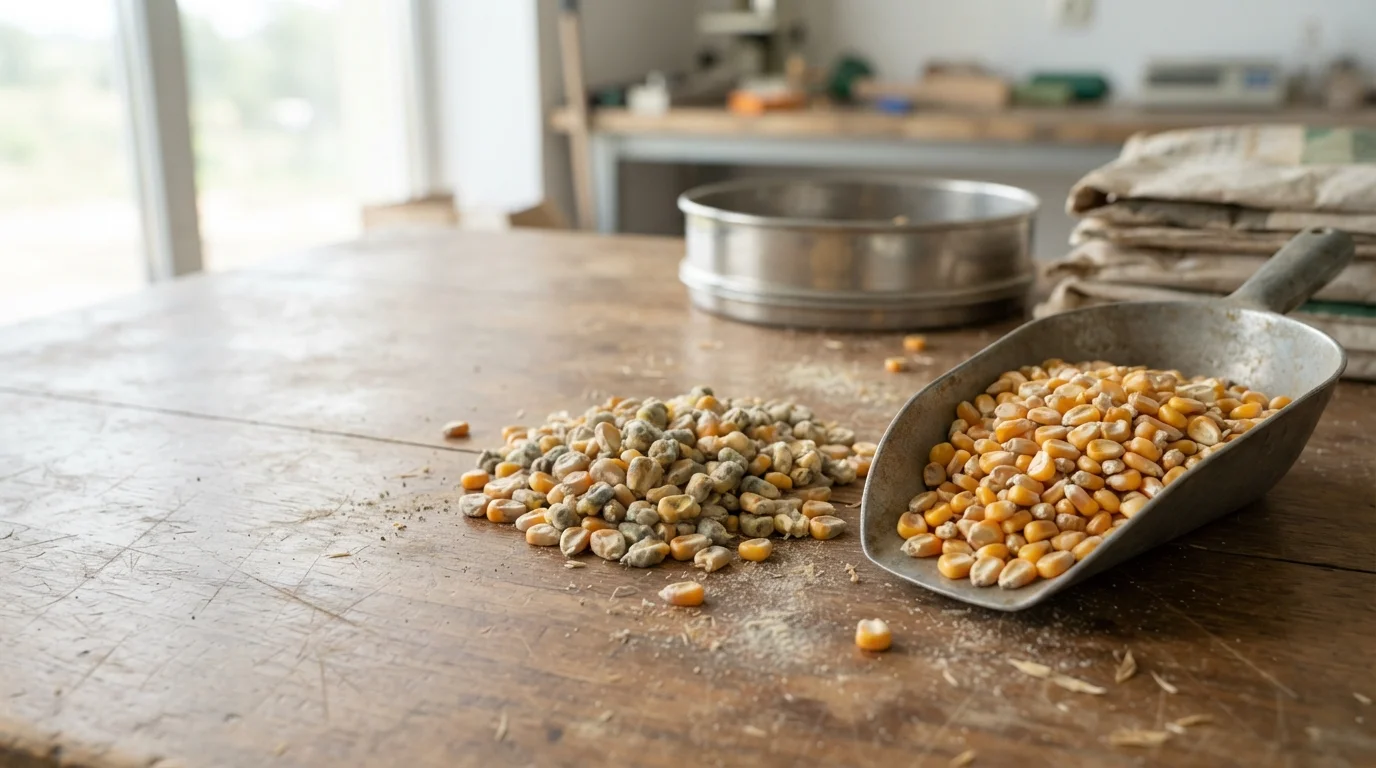
Mycotoxins are produced by certain moulds in the field or during storage. Common types include aflatoxins, fumonisins, deoxynivalenol (DON), zearalenone, and ochratoxin.
Why Do Mycotoxins Matter?
- Lower feed intake and weight gain
- Poorer FCR
- Weaker immunity and vaccine response
- Liver and kidney damage
- Fertility problems in breeding animals
- Lower milk and egg production
Which Ingredients Are Highest Risk?
Maize, groundnut cake, cottonseed cake, and grains harvested or stored in warm, humid conditions are common risk points.
How to Reduce Mycotoxin Risk
- Buy ingredients from reliable suppliers with quality specifications.
- Check moisture and reject visibly mouldy or damaged grain.
- Store feed and ingredients dry, cool, and off the floor.
- Use stock on a first-in, first-out basis.
- Test high-risk ingredients where testing is available.
- Use mycotoxin binders or deactivators when your nutritionist recommends them.
Signs That May Point to Mycotoxins
- Unexplained drops in feed intake
- Poor growth or FCR despite good management
- Weak response to vaccines
- Reproductive problems in breeding stock
- Lower milk yield or egg production
These signs have many possible causes, so testing feed and working with a nutritionist and veterinarian is important.
Storage Checklist
- Store feed on pallets, away from walls
- Keep bins and silos clean and watertight
- Check moisture on delivery
- Use older stock first
- Clean out old, caked feed regularly
Further Reading
The FAO and extension services such as Penn State Extension publish guidance on mycotoxins in animal feed and safe grain storage.
Working With Suppliers
Ask ingredient suppliers about their quality checks, moisture limits, and mycotoxin testing. Agree specifications in writing and reject loads that do not meet them. Good supplier relationships are one of the strongest defences against mycotoxins in animal feed.
Testing Options
Rapid test kits give quick screening results at the mill or farm. Laboratory analysis gives more precise results for several mycotoxins at once. Many feed producers use rapid tests on incoming loads and send samples to a laboratory regularly or when a problem is suspected.
Summary
Mycotoxins cannot be seen, so prevention depends on good ingredients, dry storage, supplier specifications, and testing. Binders can help but do not replace good practice. Unexplained drops in performance are a reason to test your feed.
Get Expert Support
Our Animal Nutrition and Feed Consultancy team helps farms and feed mills set ingredient specifications, storage routines, and testing plans that reduce mycotoxin risk. Share your species, main ingredients, and recent performance to start a feed quality review.
Real Problems Farmers and Feed Mills Face
The feed looked fine, but birds performed poorly. Could it be mycotoxins?
Yes. Mycotoxins cannot be seen and can reduce intake, growth, and immunity even in clean-looking feed. Keep samples of each feed batch, compare performance with delivery dates, and test suspected batches. Also rule out other causes, such as disease or management problems.
Cheap maize is available. Is it worth the risk?
Low-priced grain may be cheap because of damage, high moisture, or mould. Check moisture, inspect for broken or mouldy kernels, and test for mycotoxins before buying large quantities. Savings on price can be lost many times over through poor animal performance.
Sources and Further Reading
Frequently Asked Questions
Can you see mycotoxins in feed?
No. Mould may be visible, but mycotoxins themselves cannot be seen, and clean-looking grain can still contain them.
Do binders remove all mycotoxins?
No binder works on every mycotoxin. Prevention through good ingredients and storage is still essential.
Which animals are most sensitive?
Sensitivity varies by species and mycotoxin. Poultry and young animals are often highly sensitive.
Need a feed quality review? See our Animal Nutrition and Feed Consultancy.
Do toxin binders fix contaminated feed?
They can reduce the effect of some toxins but do not make badly contaminated feed safe.
How long should feed samples be kept?
Keep them at least until the flock or batch of animals has been sold.
About this guide: This guide was prepared by the Globale Green Consortium Editorial Team and reviewed by our Agricultural Consultancy team, based on the sources listed above and our practical work in this field. It is general information, not professional advice for your specific situation. Read our editorial policy or report an error.