Greenhouse vs Tunnel Farming: Which Is Right for Your Farm?
Greenhouse vs tunnel farming is one of the first decisions in any protected cultivation project. This guide compares greenhouse vs tunnel farming on cost, control, crops, and management so you can choose with confidence.
Quick answer: Tunnel farming (low or high tunnels) is cheaper to set up and suits seasonal vegetables and season extension. Greenhouses cost more but give better climate control, longer growing seasons, and higher yields for high-value crops. The right choice depends on your budget, climate, target crops, market, and management skills.
What Is Tunnel Farming?
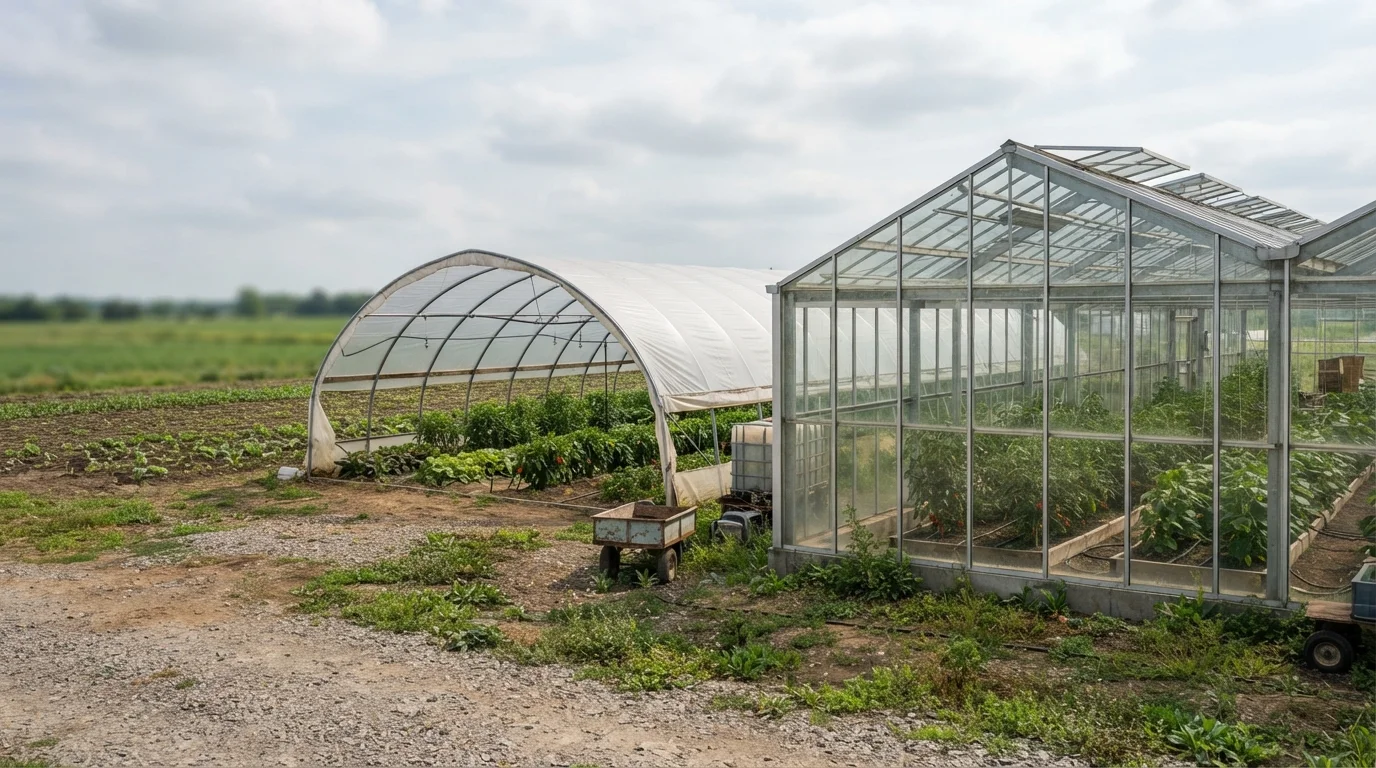
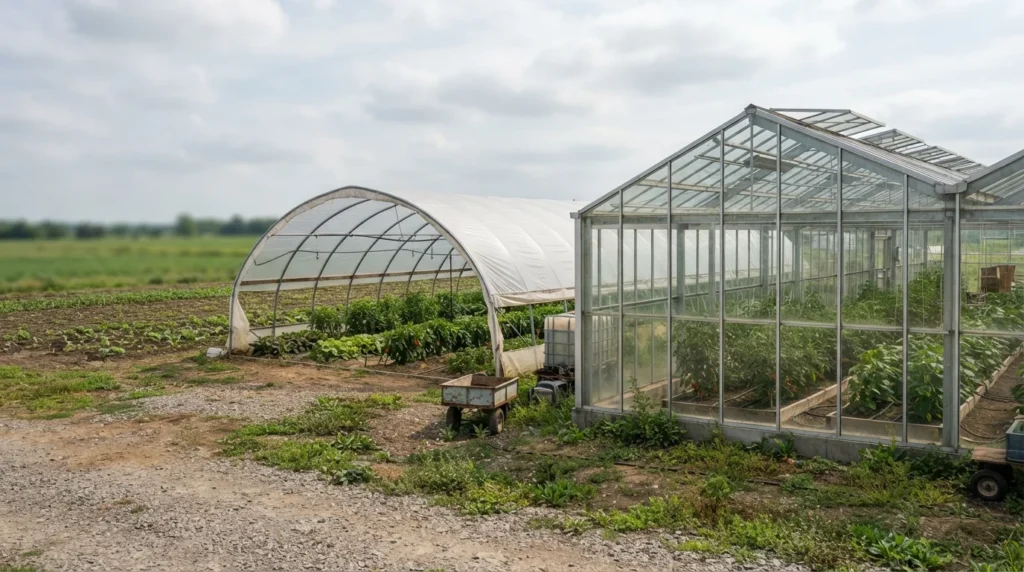
Tunnels are simple structures covered with plastic film. Low tunnels cover crops close to the ground; walk-in high tunnels are taller and usually rely on natural ventilation. They protect crops from cold, rain, and pests and extend the growing season.
What Is a Greenhouse?
A greenhouse is a stronger, more permanent structure with more control over temperature, humidity, ventilation, and sometimes lighting and CO2. Levels range from basic naturally ventilated houses to high-tech climate-controlled facilities.
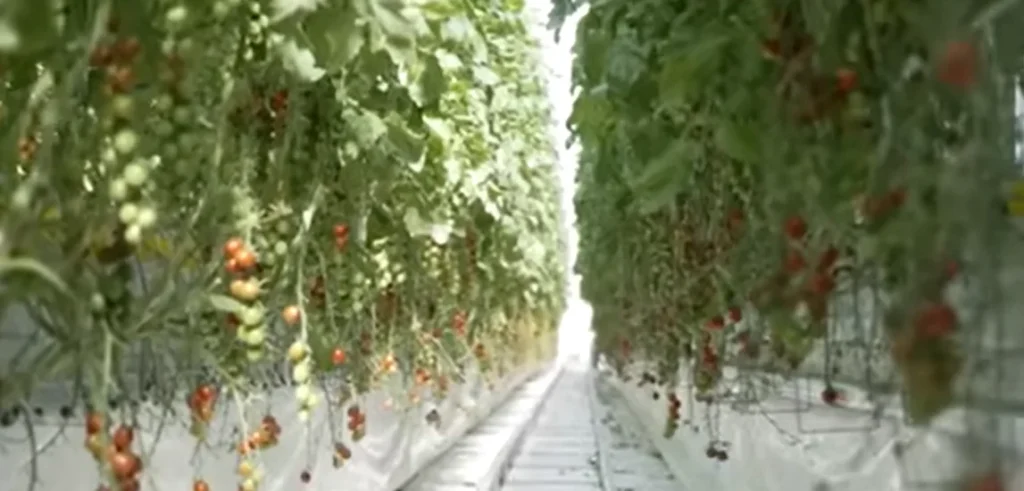
Side-by-Side Comparison
- Setup cost: tunnels are lower; greenhouses are higher.
- Climate control: tunnels are limited; greenhouses are moderate to full.
- Season: tunnels extend the season; greenhouses can allow near year-round growing.
- Crops: tunnels suit cucumbers, tomatoes, peppers, melons, and leafy greens; greenhouses suit these plus high-value crops and nurseries.
- Management: tunnels are simpler; greenhouses need more technical skill.
How to Decide
- Budget: how much can you invest, and how quickly do you need a return?
- Climate: extreme heat or cold may need more climate control.
- Market: is there demand for off-season or premium produce?
- Water: both systems work best with drip irrigation and reliable water.
- Skills and labour: greenhouses reward experienced management.
A Practical Path
Many growers start with tunnels to learn protected cultivation and build markets, then invest in greenhouses once they have proven demand and management systems.
Costs to Consider Beyond the Structure
- Irrigation and fertigation equipment
- Plastic film or glazing replacement
- Seeds, seedlings, and nutrients
- Labour for planting, training, and harvest
- Energy for ventilation, heating, or cooling in greenhouses
- Packing and transport to market
Greenhouse vs Tunnel Farming Returns
Returns depend less on the structure and more on crop choice, yield, and selling price. A simple tunnel growing the right crop for an off-season market can outperform an expensive greenhouse with weak sales. Build a budget for both options before deciding.
Research and Guidance
University programs such as Cornell High Tunnels publish practical research and sample budgets for high tunnel production, which is useful when comparing greenhouse vs tunnel farming.
Scaling Up Over Time
Many growers begin with a few tunnels, learn crop and pest management, build reliable buyers, then add larger or better-controlled structures. This step-by-step path limits risk and builds skills.
Questions to Answer Before Choosing
- Which crops will I grow, and who will buy them?
- What are summer and winter temperatures on my site?
- How reliable is my water supply?
- How much can I invest now, and later?
- Who will manage the crop day to day?
Clear answers to these questions usually make the greenhouse vs tunnel farming choice obvious.
Summary
Tunnels are the lower-cost way to protect crops and extend the season. Greenhouses give more control and longer production at higher cost. Match the structure to your budget, climate, crops, and buyers, and build a full operating budget before you commit.
Common Problems New Growers Face
My tunnel crop was good, but prices collapsed at harvest. What went wrong?
Many growers plant the same crop at the same time, so supply peaks together and prices fall. Plan planting dates to harvest before or after the main season, agree prices with buyers in advance where possible, and spread risk across more than one crop.
My plants get diseases inside the tunnel. Why?
Tunnels trap humidity, which favours fungal diseases. Poor ventilation, overhead watering, dense planting, and wet leaves at night make it worse. Open sides or vents during the day, use drip irrigation, space plants properly, and scout for early signs every week.
Sources and Further Reading
Frequently Asked Questions
Is tunnel farming profitable?
It can be when crop choice, timing, and marketing are right. Off-season produce often sells at higher prices.
Which crops are best for tunnel farming?
Cucumbers, tomatoes, peppers, melons, and some leafy greens are common choices.
Do greenhouses always produce higher profits?
Not always. Higher yields must cover higher investment and running costs, so a feasibility study is essential.
Planning a greenhouse or tunnel project? Our Agricultural Consultancy team can help with site assessment and planning.
Can I get a loan for a greenhouse?
Many banks and agricultural programs finance protected cultivation. A written feasibility plan improves your chances.
How hot is too hot inside a tunnel?
Very high temperatures cause flower drop and poor fruit set. Ventilation and shade nets help in hot seasons.
About this guide: This guide was prepared by the Globale Green Consortium Editorial Team and reviewed by our Agricultural Consultancy team, based on the sources listed above and our practical work in this field. It is general information, not professional advice for your specific situation. Read our editorial policy or report an error.