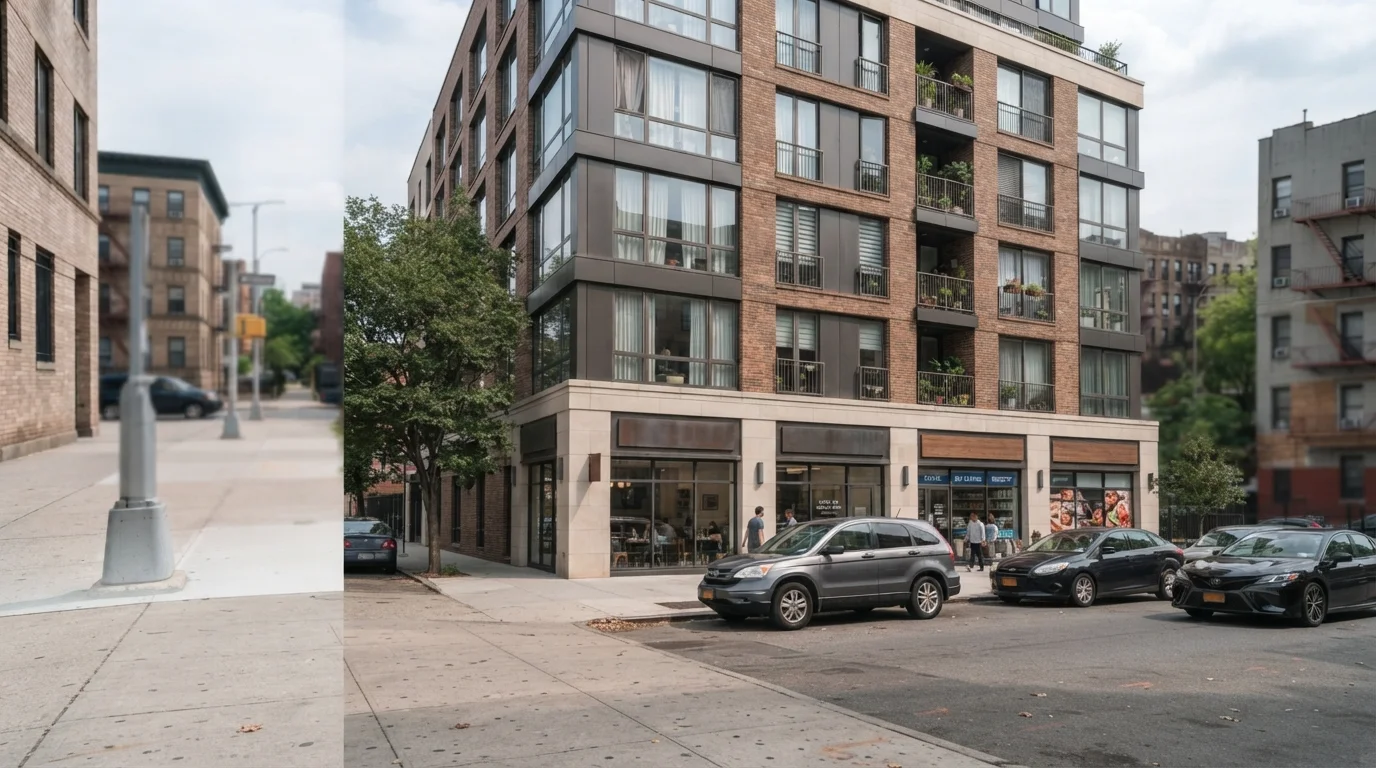
Renovate, Redevelop, or Sell? Choosing the Right Path for an Older Property
Deciding whether to renovate redevelop or sell an older property is one of the biggest choices an owner makes. This guide gives a simple framework to compare the options to renovate redevelop or sell, based on condition, zoning, market, and your goals.
Quick answer: Renovation suits buildings that are structurally sound and already close to their best use. Redevelopment suits sites where zoning allows much more space or a better use than the current building. Selling suits owners who want certainty and a faster return. The right choice depends on the building’s condition, the site’s zoning potential, the market, and your goals and capital.
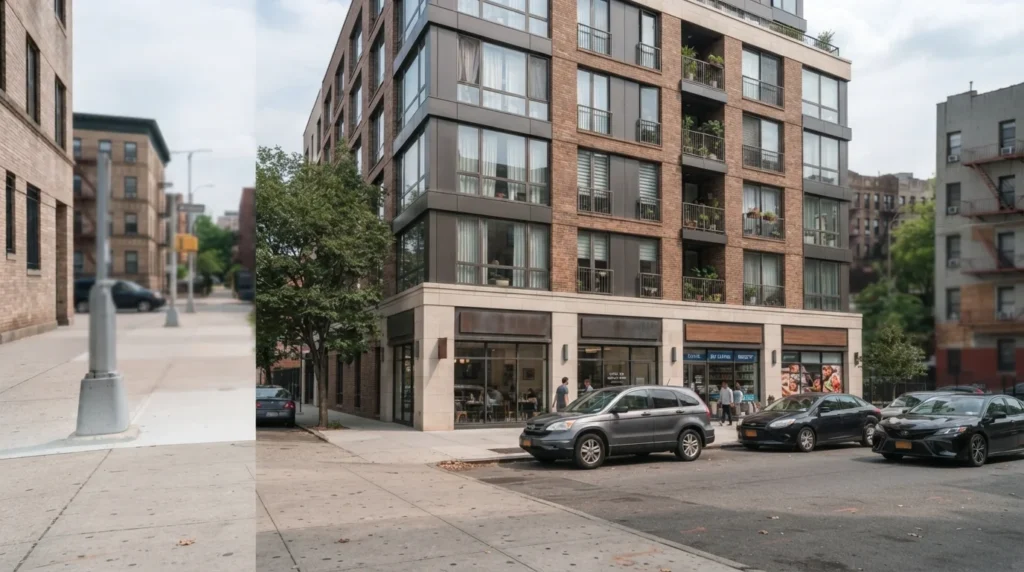
Option 1: Renovate
Best when:
- The structure is sound
- The current use fits the neighbourhood
- Upgrades such as energy efficiency, layouts, or systems can raise rents or value
Option 2: Redevelop
Best when:
- Zoning allows significantly more floor area than the current building uses
- The building is in poor condition or outdated
- The owner has access to capital or a development partner
Option 3: Sell
Best when:
- The owner wants certainty and liquidity
- Renovation or redevelopment capital is not available
- Market pricing for the site is strong
Questions to Ask Yourself
- What is the building’s physical condition?
- How much more could legally be built on the site?
- What do comparable properties rent or sell for?
- How much capital and time can I commit?
- Do I want ongoing involvement or a clean exit?
A Middle Path: Partnering
A joint venture with a developer can let owners benefit from redevelopment without funding or managing it themselves.
Comparing the Options
- Renovate: moderate capital, shorter timeline, keeps the existing building.
- Redevelop: highest capital and risk, longest timeline, potentially highest value.
- Sell: no further investment, fastest certainty, no future upside.
- Partner: shared capital and risk, returns over several years.
Steps Before You Decide
- Commission a building condition survey.
- Check zoning to see how much could be built. The NYC Department of City Planning publishes zoning maps and rules.
- Get a professional valuation of the property as it is.
- Estimate renovation and redevelopment costs and values.
- Compare the options against your timeline and appetite for risk.
Common Mistakes
- Renovating a building on a site with large unused development potential
- Redeveloping without enough capital or experience
- Selling without understanding zoning potential and fair value
Example Scenarios
- A sound three-storey building on a site zoned for six storeys: redevelopment or a joint venture may unlock much more value than renovation.
- A well-located building in good condition already near its zoning limit: renovation is usually the better choice.
- An owner who needs funds within a year: a sale often fits best, even if some upside is given up.
Getting Professional Input
A valuer, architect, and cost estimator can each test a different part of the decision. Their combined advice gives a clear, numbers-based way to decide whether to renovate redevelop or sell.
Common Worries for Owners of Older Buildings
My building is old. Am I missing out by not redeveloping?
Possibly, if zoning allows much more space than you use today. Compare current floor area with what zoning permits, then test costs and values. If the gap is large, redevelopment, a joint venture, or a sale to a developer may unlock value.
Tenants live in the building. Can I still redevelop?
Existing tenancies, especially regulated ones, can limit or delay redevelopment and add cost. Rules differ by location and lease type. Take legal advice early, because tenant rights often shape which options are realistic.
Sources and Further Reading
Frequently Asked Questions
How do I know if my site has redevelopment potential?
Compare the building’s current floor area with the maximum allowed by zoning, then test the costs and likely values of a new project.
Is renovation always cheaper than redevelopment?
Renovation usually needs less capital, but it may leave value unused if zoning allows a much larger building.
Should I get a valuation before deciding?
Yes. A professional valuation and feasibility study give you a clear basis for comparing options.
Weighing up options for a property in New York? Talk to our Real Estate division.
Is renovation worth it if I plan to sell later?
Sometimes. Some upgrades raise value; others cost more than they return. Get advice first.
How long does redevelopment take?
Usually several years including approvals, design, and construction.
About this guide: This guide was prepared by the Globale Green Consortium Editorial Team and reviewed by our Real Estate team, based on the sources listed above and our practical work in this field. It is general information, not professional advice for your specific situation. Read our editorial policy or report an error.