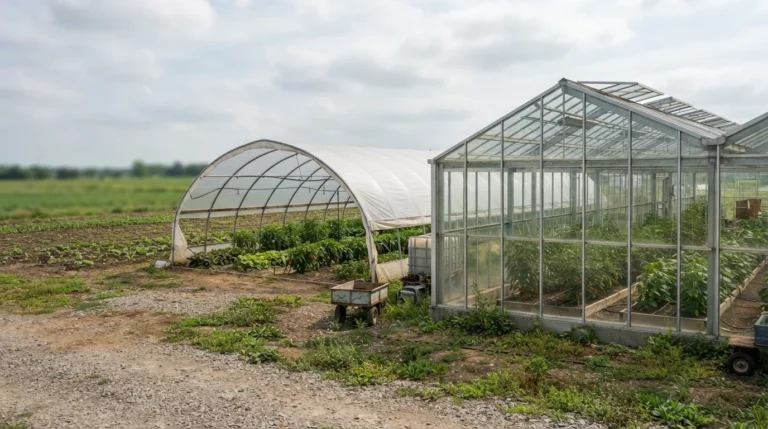
8 Common Mistakes When Starting a Greenhouse or Tunnel Farm
Greenhouse farming mistakes are expensive because they are often built into the structure, site, or plan before the first crop is planted. Here are the most common greenhouse farming mistakes and how to avoid them.
Quick answer: The most common mistakes in new greenhouse and tunnel farms are choosing the wrong structure for the climate, poor site selection, weak water and drainage planning, planting crops without a market, poor ventilation and disease control, skipping soil and water tests, underestimating running costs, and lack of training. Most can be avoided with a feasibility study and a production plan before building.
1. Choosing the Wrong Structure
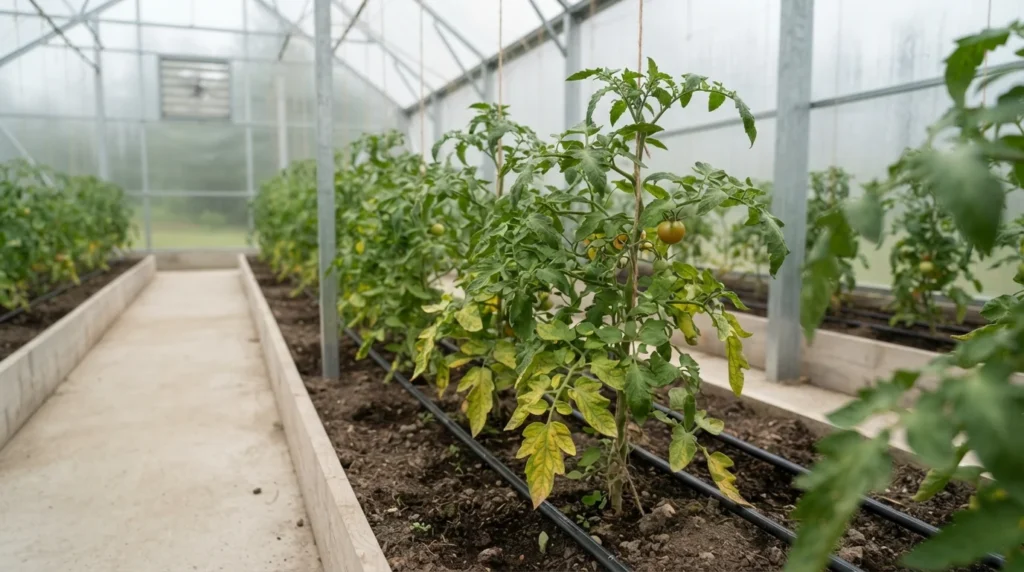
A structure that suits a mild climate may overheat in hot regions or fail under snow or strong winds. Match design and ventilation to local conditions.
2. Poor Site Selection
Low-lying land, shade, poor access, or exposure to strong winds can reduce yields and damage structures.
3. Weak Water Planning
Protected crops depend on reliable irrigation. Check water quantity and quality, and plan drip irrigation and drainage from the start.
4. Growing Without a Market
Many new growers plant first and look for buyers later. Confirm prices, buyers, and timing before choosing crops.
5. Poor Ventilation and Disease Control
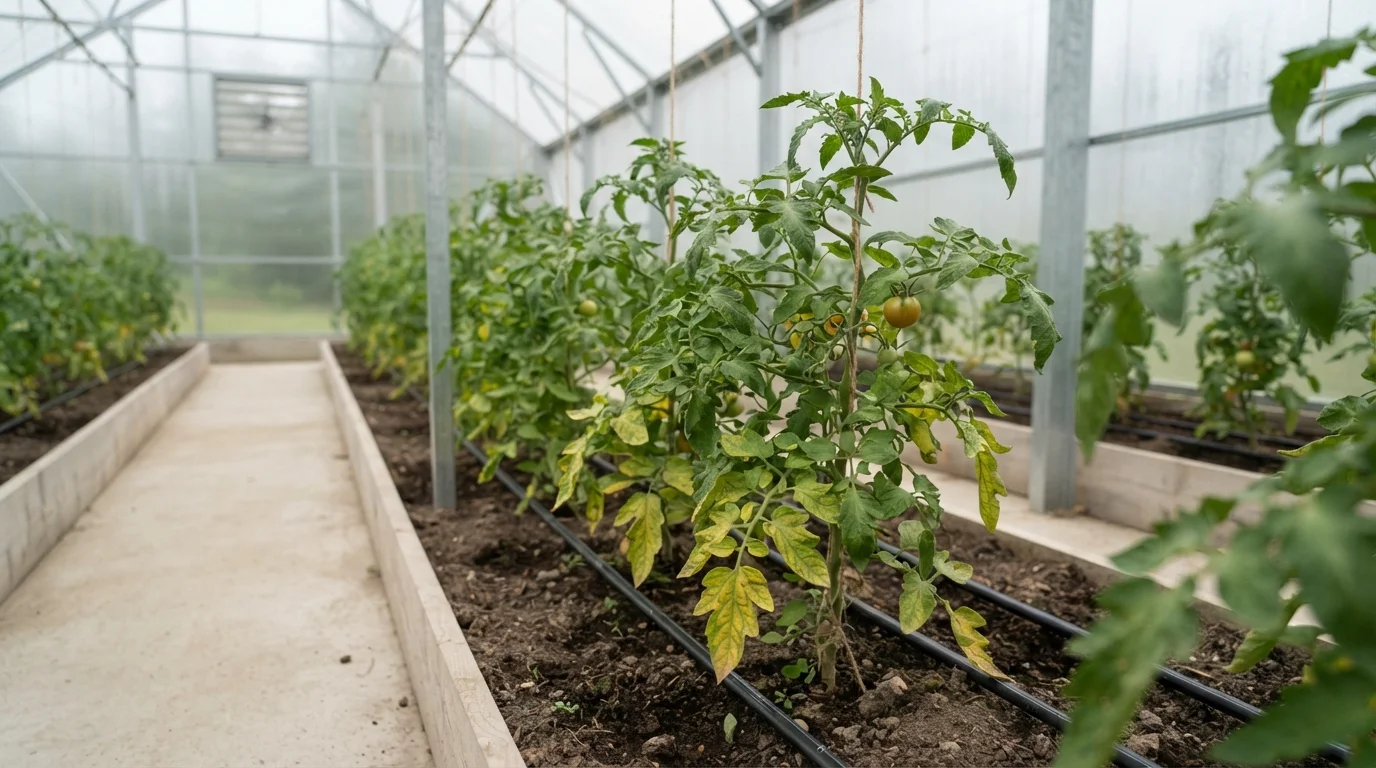
High humidity inside structures encourages fungal diseases. Plan ventilation, spacing, and an integrated pest management approach.
6. Skipping Soil and Water Tests
Salinity, pH, and nutrient problems can limit yields. Test soil and water before planting and plan fertigation accordingly.
7. Underestimating Running Costs
Seeds, fertiliser, labour, plastic replacement, energy, and packaging add up. Build a full budget, not just a construction budget.
8. Lack of Training
Protected cultivation needs different skills from open-field farming. Training and expert support in the first seasons save costly mistakes.
A Pre-Build Checklist to Avoid Greenhouse Farming Mistakes
- Confirm buyers and prices for your chosen crops.
- Test soil and water.
- Check wind, sun, and drainage on the site.
- Choose a structure and ventilation suited to your climate.
- Plan drip irrigation and fertigation.
- Build a full operating budget.
- Arrange training or expert support for the first seasons.
Learning From Experienced Growers
Visiting working farms and speaking with experienced growers is one of the best ways to avoid greenhouse farming mistakes. Extension services such as Penn State Extension and research programs such as Cornell High Tunnels also publish practical guides.
When to Get Expert Help
Expert help is most valuable before you build, when structure, site, and crop decisions are still flexible. A short consultation at this stage can prevent costly changes later.
Mistakes After the First Season
Some greenhouse farming mistakes only appear once production starts: planting too densely, irregular irrigation, late pest control, and harvesting at the wrong stage. Keep simple daily records of irrigation, spraying, and harvest, and review them after each crop cycle to improve the next one.
Summary
Most greenhouse farming mistakes come from planning gaps: the wrong structure, a poor site, weak water supply, no confirmed market, or an incomplete budget. A feasibility study, soil and water tests, and expert advice before building prevent the most expensive errors, and simple records improve every crop after that.
Real Problems Growers Report
Why are my tomato or cucumber yields far below what I was promised?
Promised yields usually assume ideal climate control, varieties, nutrition, and expert management. Real yields fall when ventilation, fertigation, pollination, or pest control slip. Record inputs and yields each week and compare them with realistic local benchmarks rather than sales brochures.
The plastic tore after one storm. Did I buy the wrong structure?
Possibly. Structures must match local wind and snow loads, and film must be fixed and tensioned properly. Cheap frames, wide spacing, and loose film often fail in storms. Ask suppliers for design load ratings and anchor structures firmly.
Sources and Further Reading
Frequently Asked Questions
How long does greenhouse plastic last?
It depends on the film quality and climate. Many films are rated for a few seasons before needing replacement.
What is fertigation?
Applying fertilisers through the irrigation system, usually drip, so plants receive nutrients with water.
Do I need a consultant to start a tunnel farm?
It is not required, but expert planning helps avoid expensive mistakes in structure, crop choice, and water management.
Get practical planning support from our Agricultural Consultancy team.
Is salty water a problem for greenhouse crops?
Yes. Salinity reduces yields. Test water before investing and choose tolerant crops or treatment if needed.
Do I need a full-time worker?
Most protected crops need daily attention during the season.
About this guide: This guide was prepared by the Globale Green Consortium Editorial Team and reviewed by our Agricultural Consultancy team, based on the sources listed above and our practical work in this field. It is general information, not professional advice for your specific situation. Read our editorial policy or report an error.