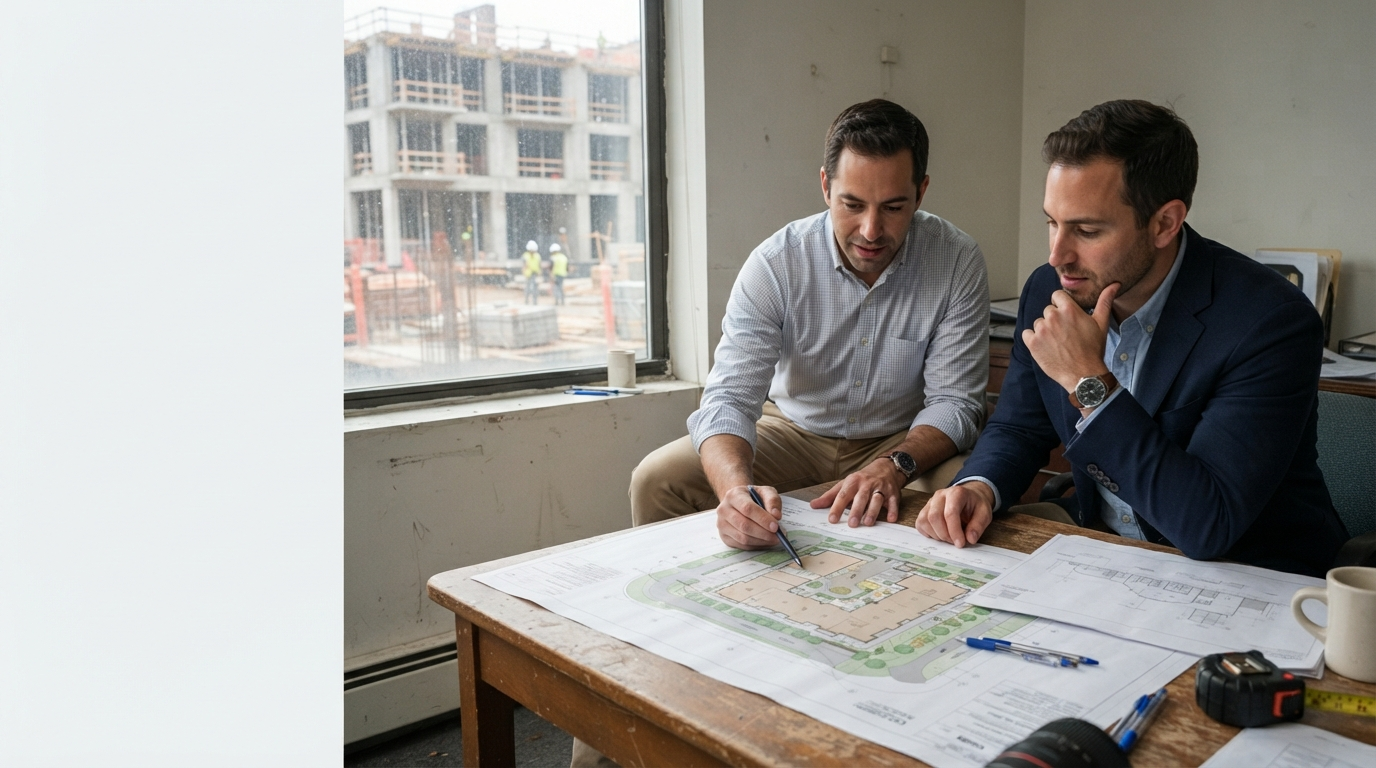
10 Questions to Ask Before Investing in a Real Estate Development Project
Investing in real estate development can offer higher returns than buying finished property, but it also carries more risk. These questions help you judge a project before investing in real estate development.
Quick answer: Before investing in a development project, ask about the sponsor’s track record, site control and zoning, the full budget and contingency, financing terms, the timeline, market assumptions, how returns are paid, what happens if things go wrong, how you will receive reports, and the exit plan. Clear answers in writing are a sign of a well-run project.
1. What Is the Sponsor’s Track Record?
Look for completed projects of a similar type and size, and ask how past projects performed against their plans.
2. Does the Project Control the Site?
Is the land owned or under contract? Is zoning already in place for the planned building?
3. Is the Budget Complete?
Check land, hard costs, soft costs, financing costs, and a realistic contingency.
4. How Is the Project Financed?
Ask about the loan amount, interest rate, terms, and what happens if the loan must be refinanced.
5. What Is the Timeline?
Development schedules often slip. Ask how delays would affect returns.
6. Are Market Assumptions Realistic?
Compare assumed rents or sale prices with current comparable properties.
7. How Are Returns Distributed?
Understand preferred returns, profit splits, and fees paid to the sponsor.
8. What Are the Main Risks?
Ask about construction, approval, market, and interest-rate risks and how each is managed.
9. How Will You Be Kept Informed?
Look for regular written updates and financial reporting.
10. What Is the Exit Plan?
Is the plan to sell, refinance, or hold? When might investors expect their capital back?
This article is general information, not financial advice. Speak to a qualified advisor before investing.
Development vs Buying Existing Property
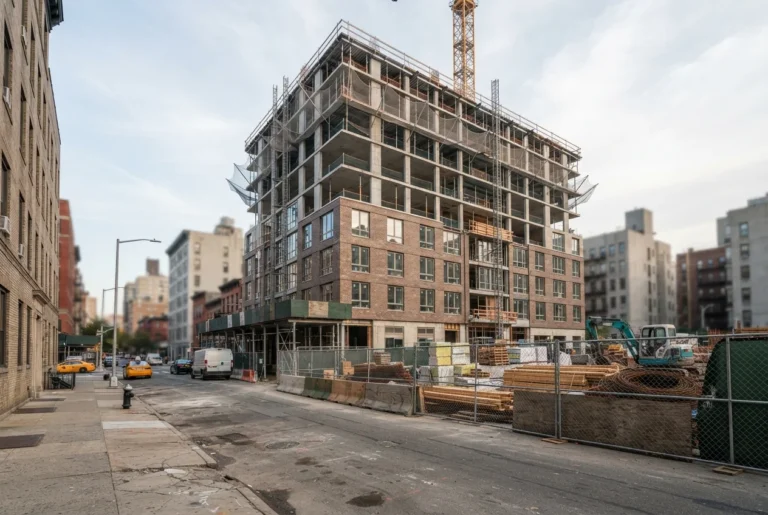
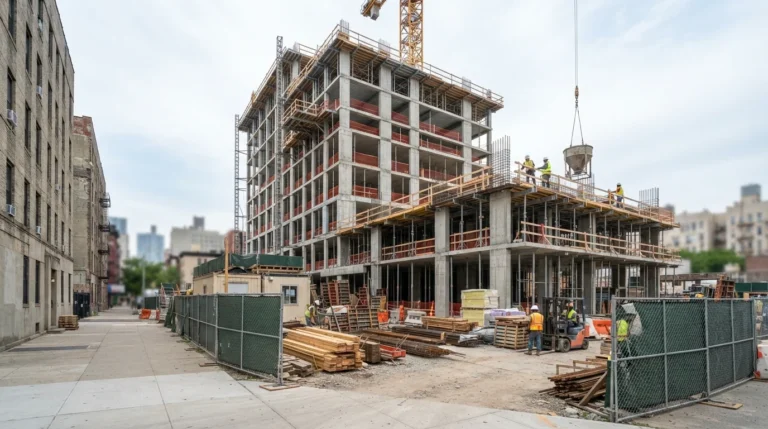
Buying a finished, leased building gives immediate income and fewer unknowns. Investing in real estate development means capital is tied up during approvals and construction, with income only at the end. In exchange, a successful project can create more value.
Warning Signs in a Development Deal
- Pressure to invest quickly
- Unclear or missing budgets
- Market assumptions far above comparable properties
- No written reporting commitments
- Fees that pay the sponsor regardless of results
Protecting Yourself
Read all documents, ask for a sponsor’s track record in writing, and speak with a qualified advisor. Investor.gov, run by the US Securities and Exchange Commission, explains how private investments work and how to check who you are dealing with before investing in real estate development.
Types of Development Investment
- Equity: you share in profits and losses; higher potential return and risk.
- Preferred equity: paid before common equity; more protection, capped upside.
- Debt or mezzanine finance: fixed interest; lower risk than equity, but no share of extra profit.
Diversification
Development projects can take years and outcomes vary. Many investors spread capital across different projects, locations, and sponsors rather than committing everything to one development.
Common Investor Concerns
What happens if the project goes over budget?
The documents should say who covers overruns. Often the sponsor must fund them first, or investors may be asked for more capital. Ask this question before investing, and check the size of the contingency and the sponsor’s ability to cover shortfalls.
How do I know the sponsor is trustworthy?
Check the sponsor’s track record on completed projects, speak to past investors, verify registrations where relevant, and review all documents with an advisor. Investor.gov explains how to research people and firms selling investments.
Sources and Further Reading
Frequently Asked Questions
What is a preferred return?
A minimum return paid to investors before the sponsor shares in profits.
How long are development investments usually held?
Often several years, depending on the project type, approvals, construction, and exit strategy.
What is a contingency?
A budget reserve for unexpected costs during development.
Interested in real estate partnerships in New York? Learn about our Real Estate division.
Can I get my money out early?
Development investments are usually illiquid. Assume funds are committed until the planned exit.
What reports should I expect?
Regular updates on progress, budget, schedule, and risks.
About this guide: This guide was prepared by the Globale Green Consortium Editorial Team and reviewed by our Real Estate team, based on the sources listed above and our practical work in this field. It is general information, not professional advice for your specific situation. Read our editorial policy or report an error.