Construction and Demolition Metal Recycling: A Guide for Contractors
Construction and demolition metal recycling turns job-site waste into recovered material and, often, a useful credit against project costs. This guide covers what contractors can recover and how to plan construction and demolition metal recycling from day one.
Quick answer: Contractors can recycle most metal from construction and demolition sites, including structural steel, rebar, pipe, ductwork, cable, and fittings. Planning separation on site, using dedicated containers, and arranging scheduled collection reduces disposal costs, keeps sites safer, and turns waste into scrap value.
Which Metals Can Be Recovered From Job Sites?
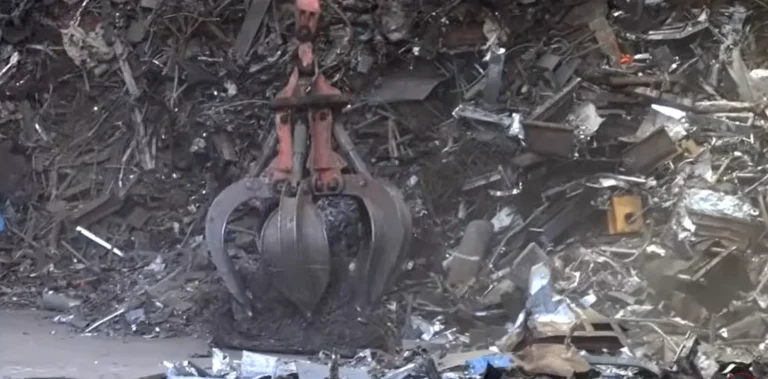
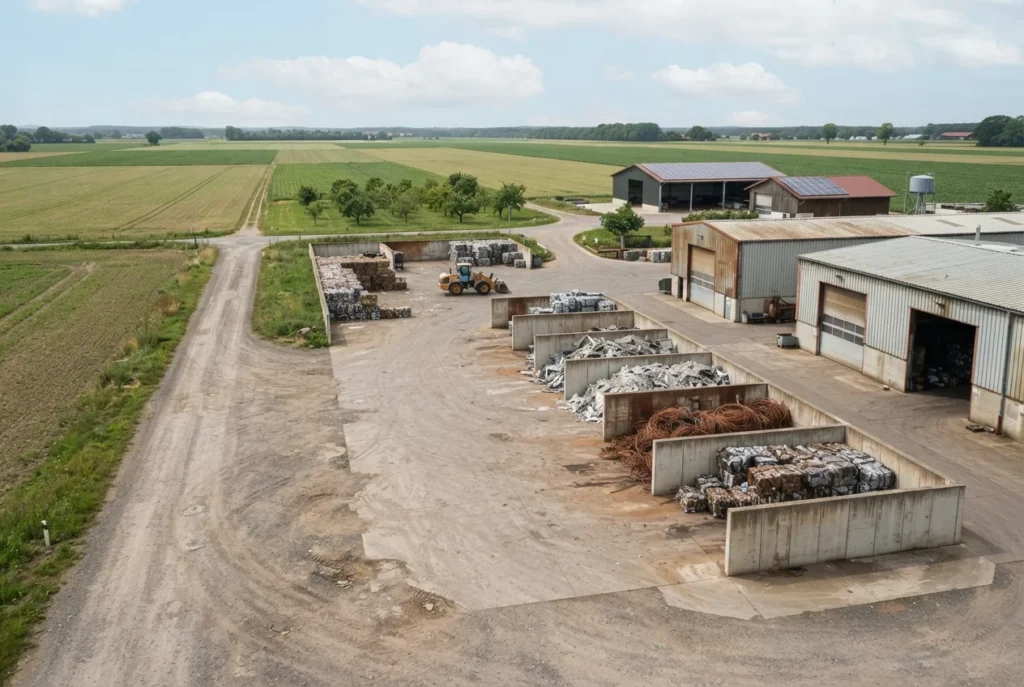
- Structural steel beams, columns, and decking
- Rebar and mesh
- Steel and cast iron pipe
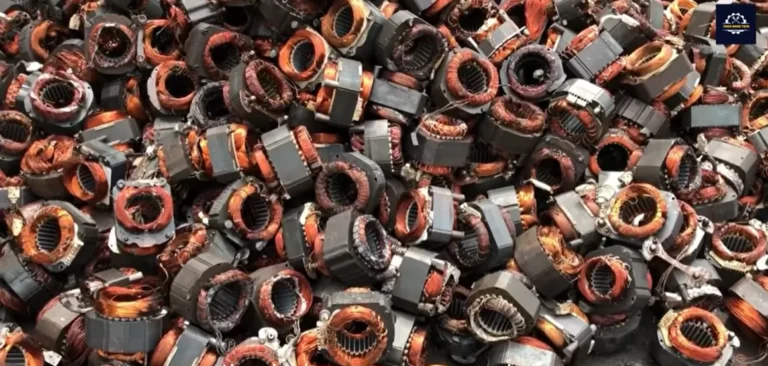
- Copper pipe, cable, and wiring
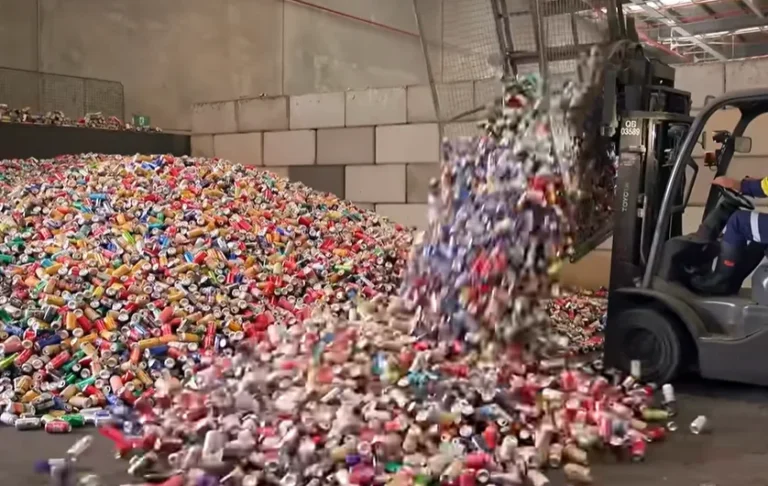
- Aluminium window frames, cladding, and ductwork
- Brass valves and plumbing fittings
- Stainless steel fixtures and kitchen equipment
Why Metal Recycling Makes Sense on Construction Projects
- Lower disposal costs: metal sent for recycling does not add to landfill or skip weight.
- Scrap value: recovered metal can offset part of the project cost.
- Site safety: removing sharp and heavy metal quickly reduces hazards.
- Sustainability goals: many projects track waste diversion for clients or green building standards.
How to Plan Metal Recovery on Site
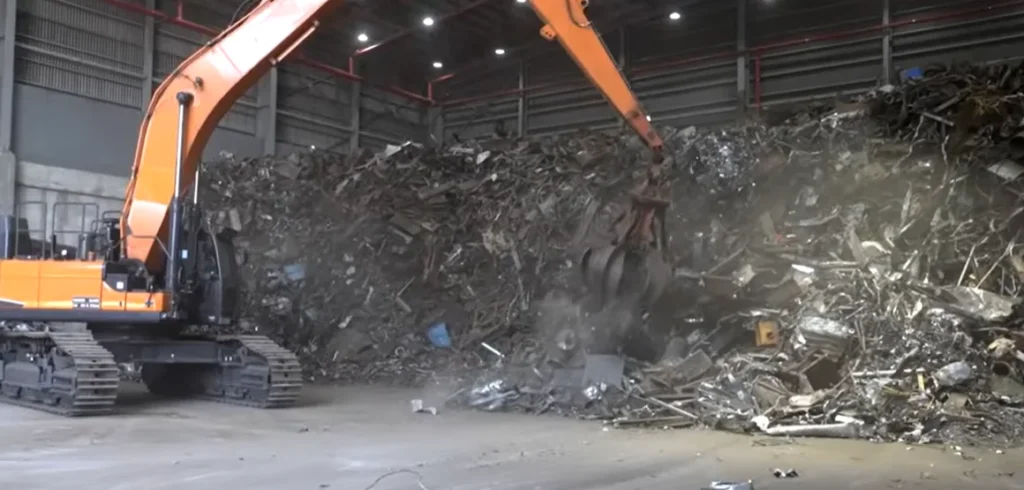
- Identify metal-heavy phases such as strip-out, demolition, and MEP work.
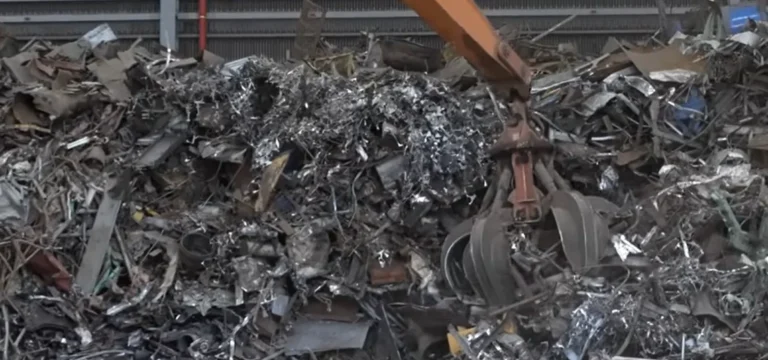
- Place separate containers for steel, copper, aluminium, and mixed metal.
- Brief crews on what goes where.
- Schedule collections around key phases so containers do not overflow.
- Keep weight tickets and records for project reporting.
Common Challenges and How to Solve Them
Limited space
Use smaller containers with more frequent collection, or combine non-ferrous metals in lockable bins.
Theft of copper and cable
Store high-value metals in secured containers and schedule prompt removal.
Contaminated loads
Keep general waste bins well away from metal containers and label clearly.
Benefits of Construction and Demolition Metal Recycling
- Lower skip and landfill costs
- Scrap value from steel, copper, and aluminium
- Safer, tidier sites
- Evidence for waste diversion and green building reporting
Planning Construction and Demolition Metal Recycling Before Work Starts
Include metal recovery in the site waste plan. Estimate volumes by phase, agree container sizes and collection triggers with your recycler, and brief subcontractors. Planning construction and demolition metal recycling early avoids overflowing bins and mixed loads.
Standards and Guidance
The US EPA provides guidance on sustainable management of construction and demolition materials, including metals.
Metals by Construction Phase
- Strip-out: copper pipe, cable, aluminium ceilings, ductwork, and fixtures.
- Demolition: structural steel, rebar, cast iron, and heavy plant.
- Fit-out: offcuts of steel stud, aluminium profiles, cable, and pipe.
- Completion: packaging steel, surplus materials, and damaged fittings.
Measuring Results
Ask your recycler for weight tickets for every collection. Add them up by metal type and phase. These records show how much metal was diverted from landfill and help you estimate volumes more accurately on the next project.
Working With Your Recycler
Share the programme, site access rules, and contact names at the start. Agree how to handle hazardous items, such as equipment containing oil or refrigerant, so they are removed safely before demolition. Good communication keeps collections on time and bins from overflowing.
Common Job-Site Problems
Copper keeps disappearing from our site. What can we do?
Copper and cable are theft targets. Store them in lockable containers, keep them out of sight, remove them quickly with scheduled collections, and limit site access after hours. Keeping records of what you recover also helps you notice losses early.
Our skips are full of mixed metal and waste. Is that a problem?
Yes. Mixed skips cost more to dispose of and earn little or nothing for the metal inside. Separate metal containers, clear labels, and a short crew briefing can turn much of that waste into recovered value and lower your disposal bills.
Sources and Further Reading
Frequently Asked Questions
Can rebar with concrete attached be recycled?
Often yes, but heavy concrete lowers the value. Ask your recycler about acceptable levels.
Do I need separate containers for each metal?
At minimum, separate steel from non-ferrous metals. Separating copper and aluminium adds more value.
Can metal recycling help with green building reporting?
Yes. Weight tickets and recycling records can support waste diversion reporting.
Planning a demolition or fit-out project? Our Metal Recycling services team can help plan metal recovery and collection.
Who pays for metal container hire?
It depends on volumes and metal value. Discuss terms with your recycler before the project starts.
Can you recycle metal during a live refurbishment?
Yes, with careful planning of container placement and collection times.
About this guide: This guide was prepared by the Globale Green Consortium Editorial Team and reviewed by our Metal Recycling team, based on the sources listed above and our practical work in this field. It is general information, not professional advice for your specific situation. Read our editorial policy or report an error.