Aluminium Scrap Grades Explained: Extrusion, Sheet, Cast, and More
Aluminium scrap grades set the value of window frames, sheet, castings, and cans. Knowing the main aluminium scrap grades helps you sort material and avoid mixed-grade pricing.
Quick answer: Aluminium scrap is graded by alloy type and cleanliness. Common grades include clean extrusion (such as window and door frames), sheet, cast aluminium, used beverage cans, and aluminium radiators. Clean, separated aluminium with no steel, plastic, or rubber attached earns more than mixed or dirty material.
Common Aluminium Scrap Grades
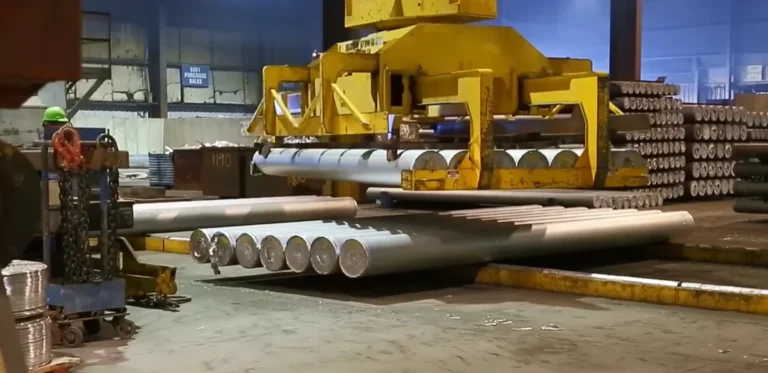
Extrusion
Window frames, door frames, and profiles. Clean extrusion without glass, rubber, or steel screws is highly valued.
Sheet
Clean aluminium sheet and offcuts, graded by coating and alloy.
Cast Aluminium
Engine parts, wheels, and castings. Usually graded below extrusion.
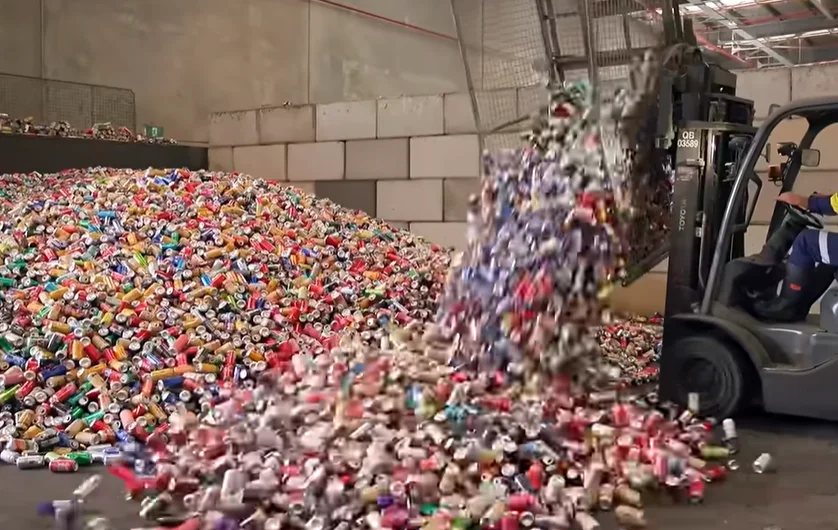
Used Beverage Cans
Collected and baled as their own grade.
Aluminium Radiators
Aluminium-only radiators, or copper-aluminium radiators, which are a mixed grade.
Turnings
Machining swarf, graded by oil content and cleanliness.
How to Increase Aluminium Scrap Value
- Remove steel screws, rubber seals, glass, and plastic.
- Keep extrusion, sheet, and cast aluminium apart.
- Keep material dry and free of dirt.
- Separate painted or coated aluminium if your recycler grades it differently.
Why Recycle Aluminium?
Aluminium can be recycled repeatedly. Industry bodies such as the Aluminum Association report that recycling needs only a small fraction of the energy used to make new aluminium.
Why Aluminium Scrap Grades Differ in Value
Different aluminium alloys are used for different products. Extrusions, sheet, and castings contain different alloying elements, so smelters buy them separately. Mixing aluminium scrap grades lowers the value of the whole load.
Common Problems That Lower Aluminium Scrap Grades
- Steel screws and brackets left attached
- Rubber seals, glass, and plastic in window frames
- Oil and swarf on turnings
- Dirt and moisture from outdoor storage
Recycling and Energy
The Aluminum Association reports that recycled aluminium uses far less energy than primary aluminium, which is why clean aluminium scrap grades are in steady demand. Market pricing is published by the London Metal Exchange.
Which Aluminium Items Are Most Common?
- Construction: window and door frames, curtain walling, cladding, and ceiling grids.
- Industry: extrusion offcuts, sheet trimmings, and machining turnings.
- Transport: wheels, engine blocks, and radiators.
- Packaging: beverage cans and foil.
How to Test for Aluminium
Aluminium is light, silver-grey, and non-magnetic. If a magnet sticks, the item is steel or contains steel parts. Zinc and some white metals can look similar, so if you are unsure, ask your recycler to check.
Storage Tips
Keep aluminium dry and off the ground, and keep grades in separate bins or bags. Turnings should be stored where oil cannot leak onto the ground. Label bins clearly so staff do not mix extrusion with cast or painted material.
Getting a Fair Price
Ask how your recycler grades each type of aluminium and what counts as contamination. Regular, well-sorted volumes usually earn better terms than occasional mixed loads.
Frequently Traded Aluminium Scrap Grades
Industry specifications give standard names to common aluminium scrap grades so buyers and sellers talk about the same material. Your recycler may use these names on weight tickets. Ask for an explanation of each grade you sell, so you know exactly what to keep separate.
Summary
Keep extrusion, sheet, cast, cans, radiators, and turnings apart, remove steel and non-metal parts, and store aluminium dry. Clean, sorted aluminium earns more and is easier to recycle.
Common Aluminium Selling Questions
Why is my aluminium window frame worth less than clean extrusion?
Frames often still contain glass, rubber seals, plastic thermal breaks, and steel screws. These attachments reduce the grade. Removing them where safe can move the metal into a cleaner extrusion grade, but some thermal-break frames are always graded separately.
Are aluminium cans worth collecting?
For individuals, cans are light and earn little per trip. For businesses such as venues and canteens, regular volumes collected in bulk can be worthwhile and support recycling goals. Keep cans dry and free of other waste.
Sources and Further Reading
Frequently Asked Questions
Is aluminium magnetic?
No. If a magnet sticks, the item contains steel or is not aluminium.
Are painted window frames worth less?
Often slightly less, and attachments like glass and rubber lower value further.
Can aluminium cans and extrusion be mixed?
They are usually graded separately, so keep them apart.
See the full list of Metals We Recycle.
Is cast aluminium worth less?
Usually yes, because cast alloys contain more silicon and are graded below clean extrusion or sheet.
Can painted aluminium be recycled?
Yes, but it may be graded slightly lower than bare aluminium.
About this guide: This guide was prepared by the Globale Green Consortium Editorial Team and reviewed by our Metal Recycling team, based on the sources listed above and our practical work in this field. It is general information, not professional advice for your specific situation. Read our editorial policy or report an error.