
Real Estate Joint Ventures for New York Property Owners
A real estate joint venture lets New York property owners partner on development without selling outright.
Discuss a Joint Venture
Free, no-obligation reply. Prefer to talk? Call or WhatsApp +1 (917) 500-5448.
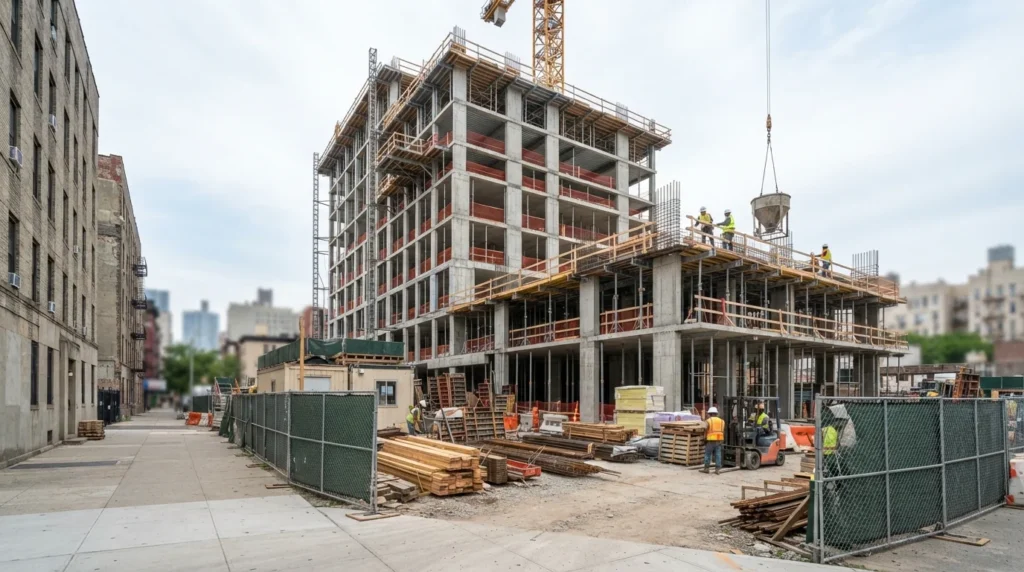
What is a real estate joint venture with a developer?
A real estate joint venture is a partnership where a property owner contributes land and a developer contributes expertise, management, and often financing. Both share the project’s profits under an agreed structure. It allows owners to benefit from development value without an outright sale, while sharing the project’s risks.
When a Joint Venture Makes Sense
- Your site’s zoning allows more space than the current building uses
- You want long-term value rather than a one-time sale
- You lack the time, capital, or expertise to develop alone
How We Approach Joint Ventures
- Introduction: share your property details and goals.
- Feasibility: zoning, market, and cost review.
- Structure: agree roles, contributions, and profit sharing in writing.
- Delivery: design, approvals, construction, and leasing or sale.
Always take independent legal and financial advice before entering any joint venture.
Read: Joint Venture With a Developer: How Property Owners Can Build Without Selling.
Benefits of a Real Estate Joint Venture
- Share in the value created by development
- Access to development expertise and financing
- Keep an ownership interest in your property
- Flexible structures to suit your goals
Risks to Understand
- Returns arrive later than a sale
- Construction, market, and financing risks are shared
- Clear agreements are essential to avoid disputes
What Makes a Site Suitable?
A site suits a real estate joint venture when zoning allows more or better space than exists today, the location has demand, and the owner can wait for the project to complete. Zoning information is available from the NYC Department of City Planning.
Key Terms to Agree
- Land valuation
- Contributions and responsibilities
- Profit sharing and any preferred return
- Decision rights
- Timeline and exit options
Read our full guide: Joint Venture With a Developer. If a sale suits you better, read Selling Land to a Developer.
What to Prepare
- Property address and lot details
- Current use, tenants, and leases
- Title documents and any surveys
- Your goals and timeline
How Long Does It Take?
A development joint venture typically runs for several years, from feasibility and approvals through construction to leasing or sale. Early steps, such as zoning review and agreeing terms, can take a few months. Clear planning at the start helps keep the project on schedule.
Is It Right for You?
If you want certainty and quick payment, a sale may suit you better. If you want a share of the long-term value and can wait, a joint venture may offer more.
Common Worries Owners Raise
What if the project fails after I contribute my land?
Risk can be reduced but not removed. Protections include feasibility checks before committing, funding commitments, milestone deadlines, and exit or step-in rights written into the agreement. Independent legal advice is essential before contributing land to any project.
How is my land valued in a joint venture?
Land is usually valued by independent appraisal, comparable sales, and what the site can support under zoning. Both parties should agree the method and value in writing. Owners should get their own valuation rather than rely only on the developer’s figure.
Frequently Asked Questions
Do I have to sell my land?
No. In many joint ventures, the owner’s land becomes equity in the project.
Which areas do you consider?
Our real estate activity is focused on New York.
How long does a development joint venture take?
Usually several years, depending on approvals, construction, and exit plans.
Can I stay living in my property during planning?
Often yes, until construction begins. Timing is agreed in the joint venture terms.
What if we disagree during the project?
The agreement should set out decision rights and dispute resolution.
Talk to Us About Your Property
Share the location and a short description of your property. See our Real Estate division.