Copper Scrap Grades Explained: Bare Bright, #1, #2, and Insulated Wire
Copper scrap grades decide how much your copper is worth. Understanding copper scrap grades helps you sort wire and pipe correctly and avoid being paid a lower rate for clean material.
Quick answer: Copper scrap is graded by how clean and pure it is. Bare bright is clean, uncoated, unalloyed wire and earns the top price. #1 copper is clean, unalloyed copper with minimal oxidation. #2 copper has solder, paint, coatings, or heavier oxidation. Insulated wire is priced by the percentage of copper it contains.
Copper is one of the most valuable common scrap metals, and small differences in grade can make a large difference in price.
Bare Bright Copper
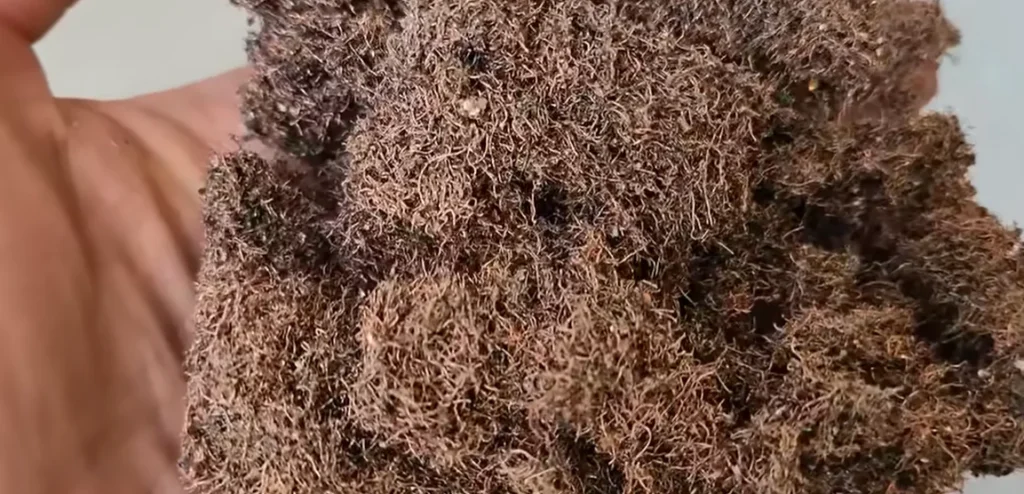
Clean, shiny, uncoated, unalloyed copper wire with all insulation removed. It should have no tarnish, solder, or paint. This is usually the highest-priced copper grade.
#1 Copper
Clean, unalloyed copper wire, pipe, or busbar. Light oxidation may be accepted, but it should be free of solder, paint, fittings, and insulation.
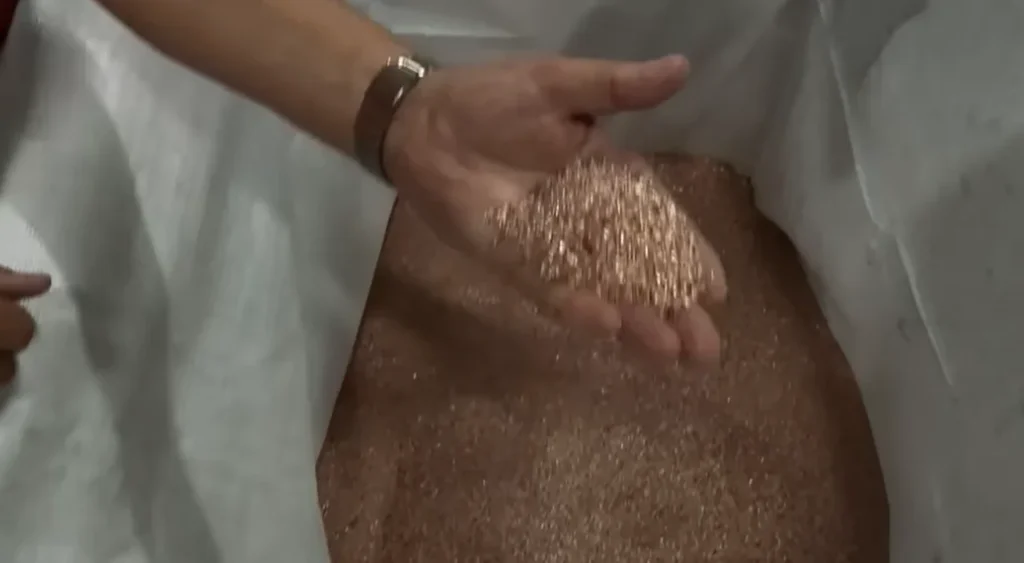
#2 Copper
Unalloyed copper that has solder, paint, coatings, or heavier oxidation, or thinner wire. It is still valuable but is priced below #1.
Insulated Copper Wire
Wire and cable with its insulation still on. It is priced by expected copper recovery: thick cables with a high copper share earn more than thin electronic or communication wire.
Other Copper-Bearing Scrap
- Brass fittings and valves: a copper-zinc alloy, graded separately.
- Copper-aluminium radiators: priced as a mixed grade unless separated.
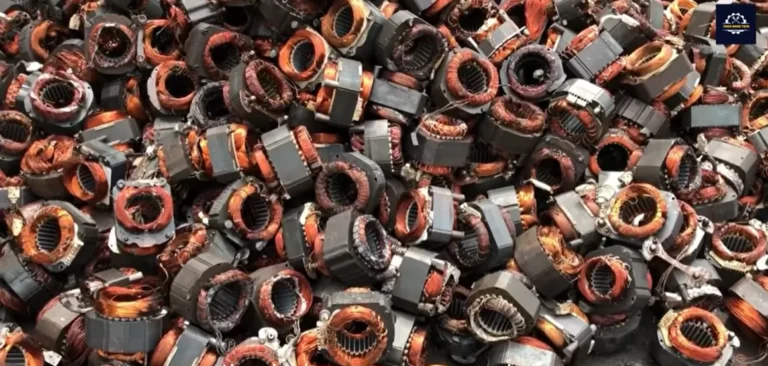
- Electric motors and transformers: contain copper windings but are sold as their own category.
How to Keep Copper in the Highest Grade Possible
- Keep copper apart from brass and other metals.
- Cut off brass fittings and steel attachments.
- Separate clean pipe from painted or soldered pipe.
- Keep wire dry and sorted by thickness.
Why Copper Scrap Grades Matter So Much
Copper is one of the most valuable common metals, so small differences between copper scrap grades add up quickly on large volumes. A load of clean #1 copper mixed with soldered pipe may be paid entirely as #2. Keeping grades apart protects value.
Quick Guide to Copper Scrap Grades
- Bare bright: clean, shiny, uncoated wire; top value.
- #1 copper: clean, unalloyed wire, pipe, or busbar.
- #2 copper: solder, paint, coatings, or heavier oxidation.
- Insulated wire: priced by copper recovery percentage.
- Brass: a copper alloy, graded separately.
Industry Specifications
Copper scrap grades are defined in industry specifications used by recyclers and buyers, such as those published by ReMA. Copper market prices are published by the London Metal Exchange. Ask your recycler which specification they follow.
How to Tell #1 Copper From #2 Copper
Look at the surface and ends of the copper. Bright or lightly tarnished copper with clean cut ends, no solder, and no paint is usually #1. Copper with solder joints, paint, heavy green or black oxidation, or plating is usually #2. Thin wire is often graded as #2 even when it looks clean.
Insulated Copper Wire Recovery
Insulated wire is valued by how much copper it contains once the insulation is removed. Heavy power cable can contain a high share of copper. Thin data, telephone, and appliance wire contains much less. Keeping wire sorted by type lets the recycler price each type fairly.
Protecting Copper Scrap From Theft
Copper is a common theft target. Store it in lockable containers, keep it out of sight, and arrange regular collection so large amounts do not build up on site.
Common Copper Selling Questions
Why was my copper paid as #2 instead of #1?
Copper is downgraded to #2 when it has solder, paint, coatings, fittings, heavy oxidation, or is thin wire. Cut off fittings and soldered ends, separate painted pipe, and keep clean pieces apart. That way, at least part of your load can be paid at the #1 rate.
Is stripping wire worth my time?
For thick power cable with a high copper share, stripping safely can be worthwhile. For thin wire, the price difference usually does not justify the labour. Never burn insulation off wire; it is hazardous, often illegal, and burnt wire is usually downgraded.
Sources and Further Reading
Frequently Asked Questions
What is the most valuable type of copper scrap?
Bare bright copper wire is usually the most valuable because it is clean, unalloyed, and ready to melt.
Is copper pipe #1 or #2?
Clean pipe without solder, paint, or fittings is usually #1. Pipe with solder, paint, or heavy oxidation is usually #2.
Is it worth stripping insulated wire?
For thick cable, stripping can be worthwhile if done safely. For thin wire, the time involved is often not worth the price difference.
Generating copper scrap from production, maintenance, or construction? Talk to our Metal Recycling services team about grading and regular collection.
Do I need ID to sell copper?
In many regions, yes. Anti-theft rules often require identification and records for copper sales.
Why do copper prices change so often?
Copper follows global markets that respond to construction, manufacturing, and energy demand.
About this guide: This guide was prepared by the Globale Green Consortium Editorial Team and reviewed by our Metal Recycling team, based on the sources listed above and our practical work in this field. It is general information, not professional advice for your specific situation. Read our editorial policy or report an error.