How to Prepare Scrap Metal for Recycling: A Checklist for Businesses
To prepare scrap metal for recycling, most businesses only need a few containers, a magnet, and a simple routine. This checklist shows how to prepare scrap metal for recycling so it is safer to handle and earns a better grade.
Quick answer: To prepare scrap metal for recycling, separate it by metal type, remove non-metal attachments, keep it clean and dry, drain any fluids, store it safely, and keep basic records. Well-prepared scrap earns a better grade and is quicker for the recycler to accept.
Businesses often lose value on scrap because it is stored in mixed piles, left exposed to weather, or delivered with attachments the recycler has to remove. A simple routine fixes most of this.
Step 1: Set Up Separate Containers
Label bins or bays for at least:
- Steel and iron
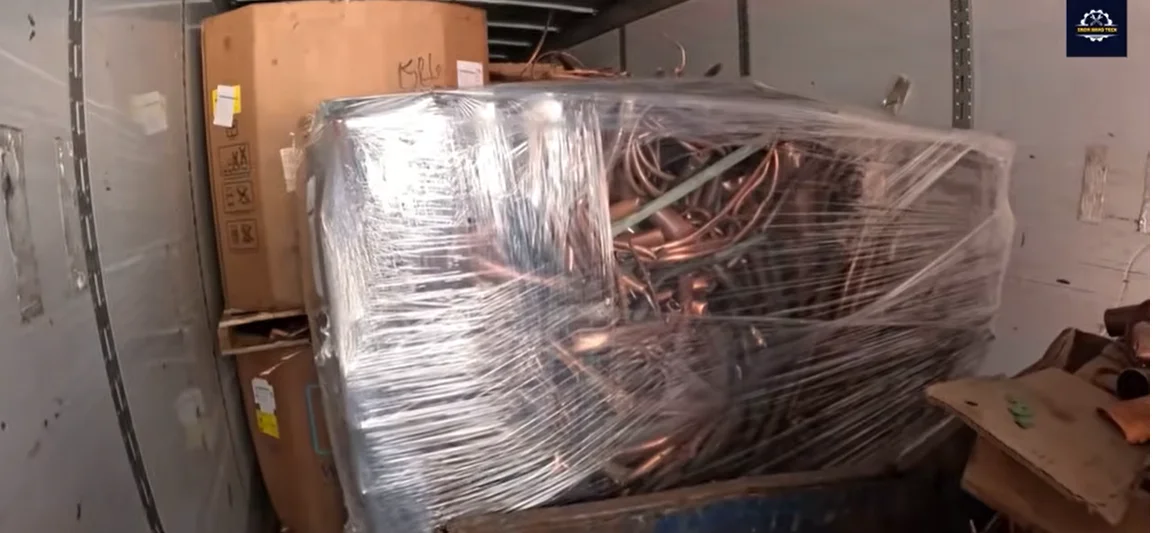
- Copper (clean and mixed)
- Aluminium
- Brass
- Stainless steel
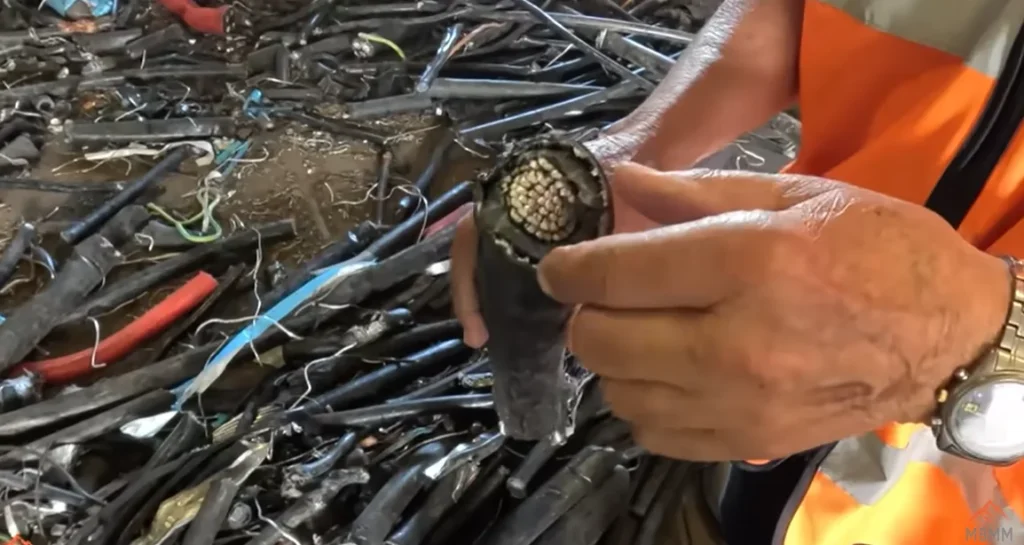
- Insulated wire and cable
Step 2: Remove Non-Metal Materials
Remove plastic, rubber, wood, glass, and fabric where this is safe and practical. Separate steel screws or brackets from aluminium and copper items.
Step 3: Drain Fluids and Remove Hazards
Items such as engines, compressors, and hydraulic parts may contain oil or refrigerant. Batteries, pressurised cylinders, and items containing refrigerants often need specialist handling and should be discussed with your recycler before delivery.
Step 4: Keep Scrap Clean and Dry
Rain, mud, and mixed waste lower the grade. A covered storage area protects value and reduces site hazards.
Step 5: Keep Simple Records
Record dates, metal types, and approximate weights. Many regions also require identification and transaction records when selling scrap, as part of anti-theft rules. Records also help you track the value your operation generates.
Step 6: Plan Regular Collection
If you produce scrap every week or month, a scheduled collection keeps your site tidy and makes volumes predictable, which can support better terms.
Common Mistakes to Avoid
- Mixing high-value copper and brass with steel.
- Delivering items containing fluids or refrigerants without telling the recycler.
- Storing scrap outdoors without cover.
- Burning cable insulation, which is hazardous and illegal in many places.
Tools You Need to Prepare Scrap Metal for Recycling
- A strong magnet for sorting ferrous and non-ferrous metal
- Labelled bins or bays
- Gloves, eye protection, and safe cutting tools
- A covered storage area
- A simple log for dates, metal types, and weights
Who Should Prepare Scrap Metal for Recycling On Site?
Manufacturers, workshops, maintenance teams, and contractors all benefit when they prepare scrap metal for recycling on site. Sorting as material is produced takes seconds per item. Sorting a mixed pile weeks later takes hours and often means a lower grade.
Safety First
Never cut into pressurised or sealed containers, and never burn cable insulation. Follow local safety rules and your recycler’s acceptance guidelines. Industry body ReMA (Recycled Materials Association) publishes specifications and safety resources used across the recycling sector.
A Simple Weekly Scrap Routine
- Daily: drop offcuts into the correct labelled bin as they are produced.
- Weekly: check bins for contamination such as plastic, wood, or general waste.
- Weekly: move full bins to covered storage and note approximate weights.
- Monthly: review volumes and values, and adjust container sizes or collection frequency.
How Much Value Does Sorting Add?
The gain depends on the metals you produce. When copper, brass, or aluminium is mixed into a steel bin, it is usually paid at the steel rate, which can be a small fraction of its real value. Pulling those metals out is often the single biggest improvement a site can make.
Training Your Team
Short, practical training works best. Show staff the magnet test, point out the high-value metals your site produces, and put simple photo signs on each bin. Make one person responsible for checking bins each week.
Common Problems Businesses Face With Scrap
Our scrap bins fill with rubbish. How do we stop it?
Contamination usually happens when scrap bins are the nearest bins available. Place general waste bins nearby, label scrap bins with photos of what belongs in them, and make one person responsible for weekly checks. Clean bins keep your grade and value higher.
Is it worth our time to sort scrap?
For most sites, yes, if you produce copper, brass, aluminium, or stainless steel. These metals are paid far more than steel. Sorting as material is produced takes seconds, while separating mixed piles later takes hours and often still leaves a lower grade.
Sources and Further Reading
Frequently Asked Questions
Should I strip insulated copper wire before selling it?
Only if it is safe, legal, and worth your time. Stripped bare copper earns more, but insulated wire is still recyclable and is priced by its copper recovery.
Can scrap metal be stored outside?
It can, but exposure to rain and dirt can lower its grade. A covered area is best.
What items need special handling?
Batteries, pressurised cylinders, items with refrigerant or oil, and anything potentially hazardous. Always tell the recycler in advance.
Our Metal Recycling services team can help set up a practical sorting and collection routine for your site.
What if we only produce small amounts?
Store sorted metal until you have a worthwhile load, or ask about on-call collection.
Do we need a permit to store scrap?
Rules vary by location. Check local regulations for storage, especially for hazardous items.
About this guide: This guide was prepared by the Globale Green Consortium Editorial Team and reviewed by our Metal Recycling team, based on the sources listed above and our practical work in this field. It is general information, not professional advice for your specific situation. Read our editorial policy or report an error.