Ferrous vs Non-Ferrous Metals: How to Tell Them Apart and Why It Matters
Ferrous vs non-ferrous metals is the first thing to understand before selling or recycling scrap. The difference decides how your metal is sorted, where it is processed, and how much it is worth.
Quick answer: Ferrous metals contain iron, are usually magnetic, and include steel and cast iron. Non-ferrous metals contain little or no iron, are not magnetic, and include copper, aluminium, brass, and lead. Non-ferrous scrap is usually worth much more per kilogram, so separating the two is the simplest way to increase scrap value.
What Are Ferrous Metals?
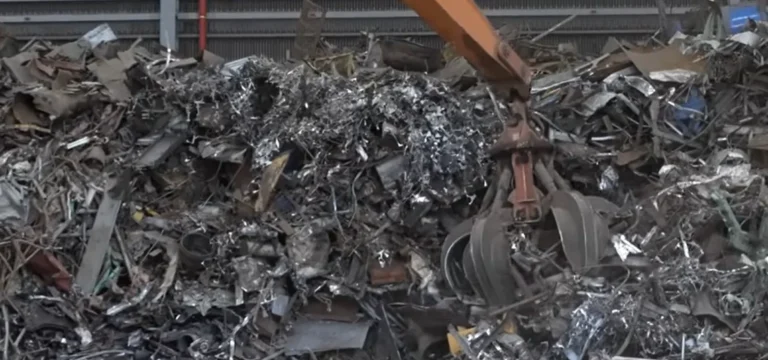
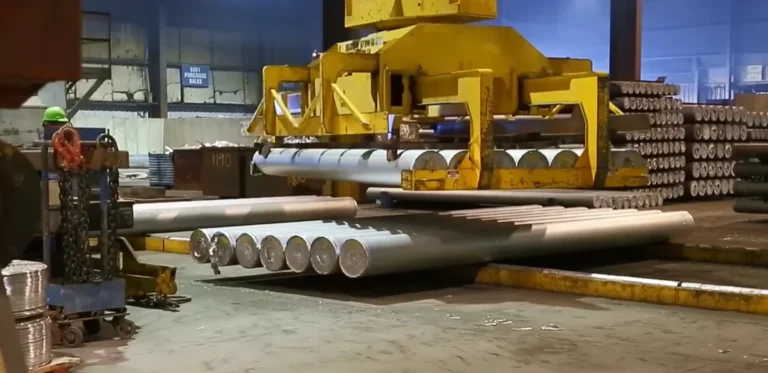
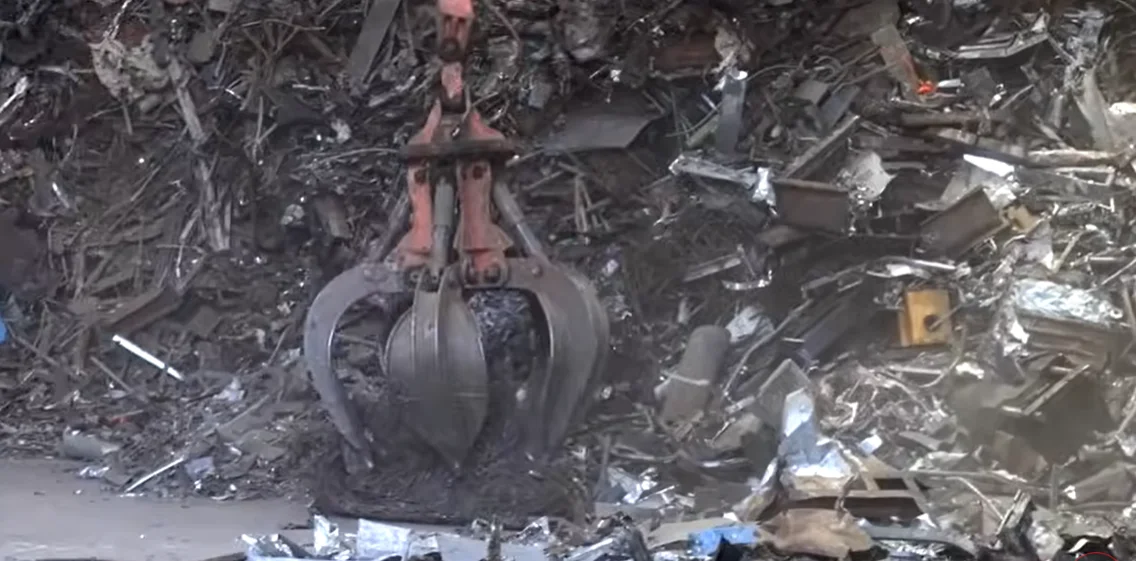
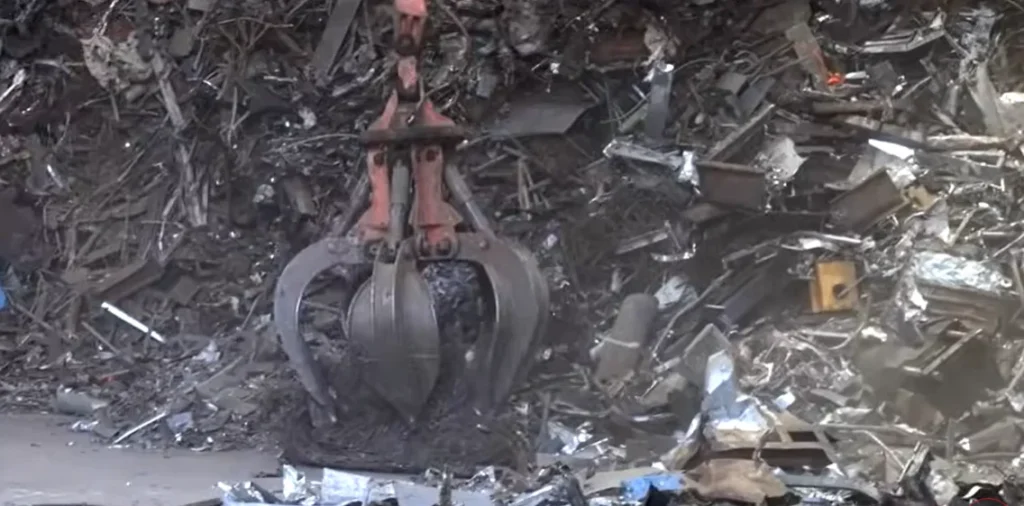
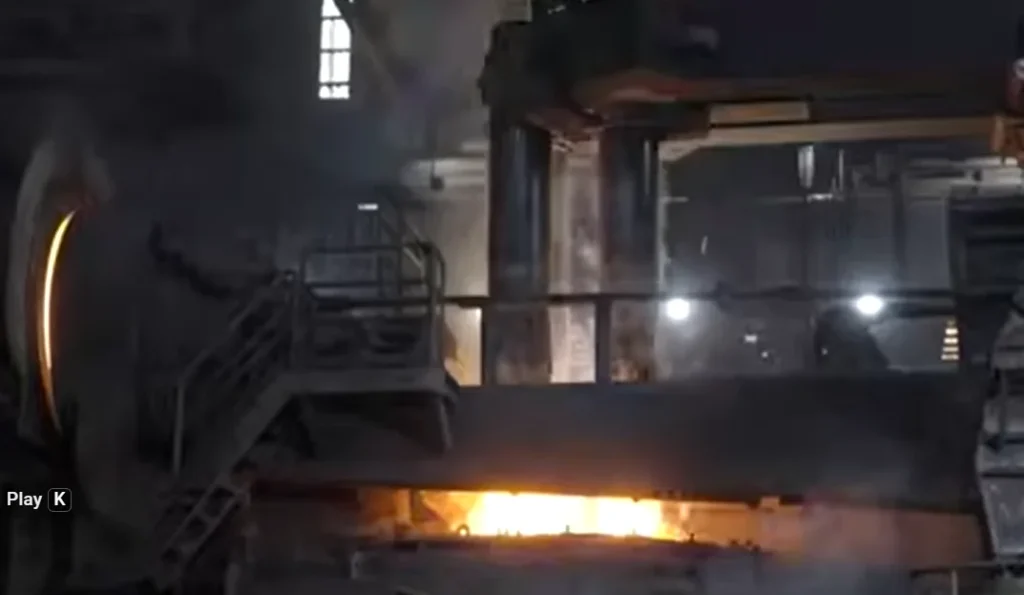
Ferrous metals are iron-based. Common examples include structural steel, rebar, steel sheet, cast iron, and most car bodies and appliances. They are produced and recycled in very large volumes and are sold mainly to steel mills.
What Are Non-Ferrous Metals?
Non-ferrous metals contain little or no iron. Common examples:
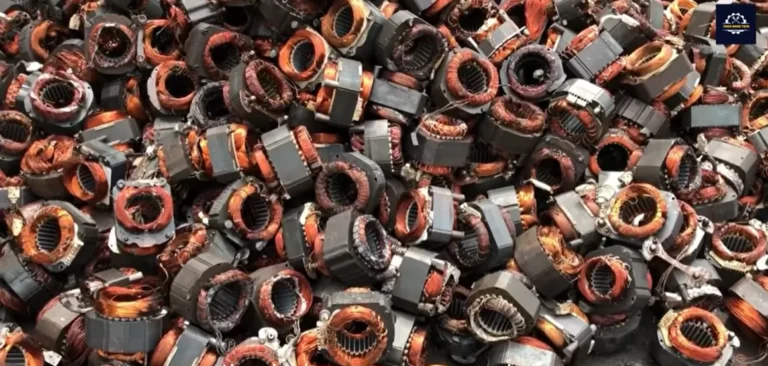
- Copper: wire, pipe, motor windings, busbars.
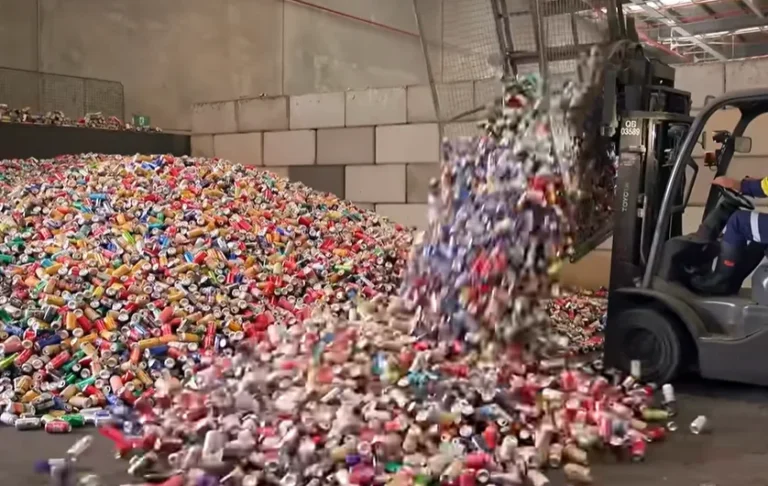
- Aluminium: window frames, cans, sheet, extrusions, radiators.
- Brass: plumbing fittings, valves, taps.
- Stainless steel: technically iron-based, but many grades are non-magnetic and are sorted separately because of their nickel and chromium content.
- Lead: batteries, weights, old flashing and pipe.
The Magnet Test
A strong magnet is the fastest sorting tool. If it sticks firmly, the metal is ferrous. If it does not stick, it is likely non-ferrous or non-magnetic stainless steel. A light pull on stainless steel usually means a lower-value magnetic grade.
Other Ways to Identify Scrap Metal
- Colour: copper is reddish; brass is yellow-gold; aluminium is light silver and lightweight.
- Weight: aluminium is light for its size; lead is very heavy and soft.
- Sparks: a grinder test is used by professionals, but only with proper safety equipment.
Why Separating Metals Matters
- Mixed loads are usually paid at the rate of the lowest-value metal.
- Mills and smelters have strict specifications for the material they accept.
- Clean streams recycle more efficiently and reduce waste.
Recycling metal also saves energy. Industry bodies such as the Aluminum Association report that recycled aluminium needs only a small fraction of the energy used to make new aluminium from ore.
Key Takeaways
- Ferrous equals iron-based and magnetic; non-ferrous equals no iron and non-magnetic.
- A magnet and a few containers can significantly raise the value of your scrap.
- Stainless steel is sorted separately because of its alloy content.
Ferrous vs Non-Ferrous Metals at a Glance
- Iron content: ferrous metals contain iron; non-ferrous metals contain little or none.
- Magnetism: ferrous metals are usually magnetic; non-ferrous metals are not.
- Corrosion: ordinary ferrous metals rust; many non-ferrous metals resist corrosion.
- Weight: steel and iron are heavy; aluminium is light.
- Value: non-ferrous scrap usually earns much more per kilogram.
- Buyers: ferrous scrap goes mainly to steel mills; non-ferrous scrap goes to smelters and refiners.
Where Ferrous vs Non-Ferrous Metals Are Found
In a typical building or factory, ferrous vs non-ferrous metals are mixed together. Beams, rebar, and machinery frames are ferrous. Wiring, plumbing, window frames, and radiators are usually non-ferrous. Sorting at the source is far easier than separating a mixed pile later.
Recycling Data
The US EPA publishes recycling data for non-ferrous metals, and the Aluminum Association explains the energy savings of recycled aluminium.
Common Sorting Problems
Why was my aluminium paid as mixed metal?
Steel screws, brackets, or inserts left in aluminium lower its grade, and the load may be paid as mixed or “irony” aluminium. Test pieces with a magnet, remove steel parts where safe, and keep clean aluminium separate to be paid at the right rate.
My magnet sticks weakly. Is it stainless steel?
A weak pull often means a lower-nickel or work-hardened stainless grade, or a mix of materials. It can still be recycled, but it may be graded below non-magnetic stainless. Ask your recycler to test it with an analyser if you have a large quantity.
Sources and Further Reading
Frequently Asked Questions
Is stainless steel ferrous or non-ferrous?
Stainless steel contains iron, so it is technically ferrous, but it is sorted and priced separately. Many common grades are non-magnetic.
Which scrap metal is worth the most?
Copper and brass usually earn the highest prices among common scrap metals, followed by aluminium and stainless steel.
Can I recycle metal with paint or coatings?
Usually yes, but coatings can lower the grade. Ask your recycler how they classify painted or coated metal.
Need help sorting or recycling mixed metals from your operation? Learn more about our Metal Recycling services.
Can I mix ferrous and non-ferrous metal in one bin?
You can, but the load is usually paid at the lower value. Separate bins earn more.
Is brass ferrous?
No. Brass is a copper-zinc alloy and is non-ferrous and non-magnetic.
About this guide: This guide was prepared by the Globale Green Consortium Editorial Team and reviewed by our Metal Recycling team, based on the sources listed above and our practical work in this field. It is general information, not professional advice for your specific situation. Read our editorial policy or report an error.