How Scrap Metal Prices Are Set (and Why Yards Pay Less Than the Market Price)
Scrap metal prices confuse many sellers because the number offered at the yard rarely matches the price quoted online. This guide explains how scrap metal prices are built, step by step, and what you can do to earn more for the same material.
Quick answer: Scrap metal prices start from global commodity benchmarks such as the London Metal Exchange (LME) and COMEX. A recycler then deducts costs for grading, processing, transport, and risk. The cleaner and better sorted your material, the closer your price gets to the benchmark.
One of the most common frustrations for anyone selling scrap is seeing a copper or aluminium price online and then being offered far less at the yard. The gap is not random. It comes from how scrap moves through the supply chain.
Where Scrap Metal Prices Come From
Most non-ferrous scrap (copper, aluminium, brass, nickel) is priced against exchange benchmarks such as the LME or COMEX. Ferrous scrap (steel and iron) follows regional steel-mill demand and indexes for grades like heavy melting steel (HMS) and shredded scrap.
These benchmarks are prices for refined metal or large, uniform lots. Your scrap is not refined metal yet, so it cannot earn the full benchmark price.
Why You Are Offered Less Than the Exchange Price
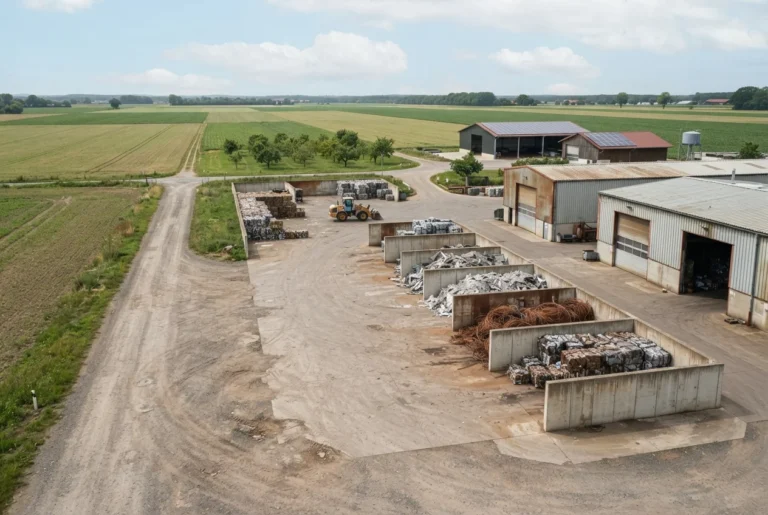
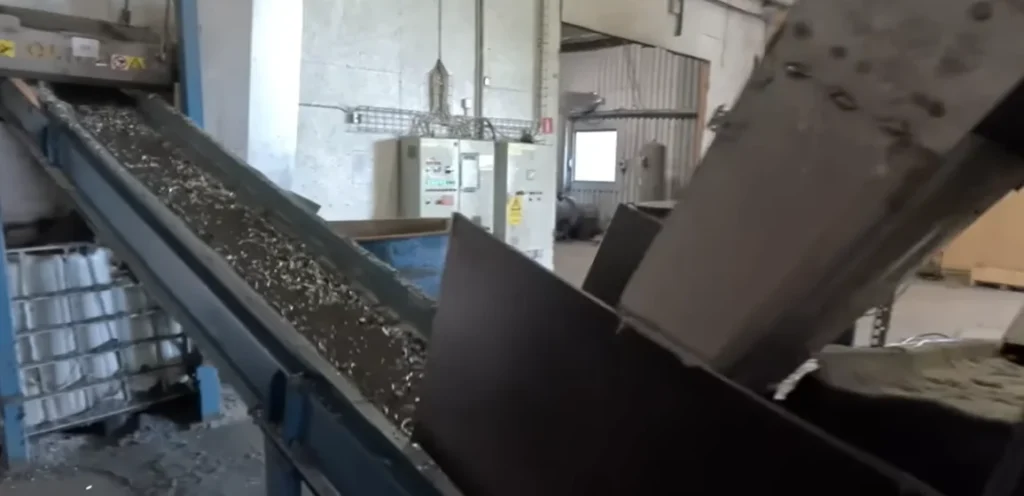
- Processing cost: scrap must be sorted, stripped, sheared, baled, or shredded before a mill or smelter will accept it.
- Metal content: a load of insulated wire or painted aluminium contains plastic, paint, and other materials that are not metal.
- Contamination risk: attachments such as steel screws in aluminium, or oil and dirt, lower the grade.
- Transport: material has to be trucked or shipped to a mill, smelter, or export buyer.
- Market risk: prices can move between the day a recycler buys scrap and the day it sells.
- Margin: the recycler needs to cover labour, equipment, permits, and compliance.
What Affects the Price of Your Scrap
Metal type
Copper and brass usually earn the most per kilogram, followed by aluminium, stainless steel, and then ordinary steel and iron.
Grade and cleanliness
Clean, uniform, well-sorted material commands a higher price. Mixed loads are usually paid at the rate of the lowest-value metal in them.
Volume
Larger, regular volumes are cheaper to handle per tonne and are often priced better, especially for commercial and industrial sellers.
Timing
Metal markets rise and fall with construction activity, manufacturing demand, energy costs, and global trade. Prices can change day to day.
How to Get a Better Price for Scrap Metal
- Separate ferrous from non-ferrous metal using a magnet.
- Keep copper, brass, aluminium, and stainless steel in separate containers.
- Remove plastic, rubber, wood, and steel attachments where it is safe to do so.
- Ask the recycler how they grade each metal and what counts as contamination.
- For regular volumes, ask about a recycling program rather than one-off sales.
Key Takeaways
- Scrap prices are built from exchange benchmarks minus processing, transport, risk, and margin.
- Clean, sorted material earns more than mixed loads.
- Businesses with steady volumes can usually negotiate better terms.
Scrap Metal Prices by Metal Type
Scrap metal prices differ widely by metal. As a general order of value per kilogram:
- Copper and brass: usually the highest-value common scrap.
- Aluminium: moderate value, highest when clean and sorted.
- Stainless steel: valued for nickel and chromium content.
- Steel and iron: lowest per kilogram but traded in very large volumes.
How Businesses Can Track Scrap Metal Prices
Exchange prices for copper and aluminium are published daily by the London Metal Exchange. Watching the trend helps you time larger sales, but remember that the price you receive will always sit below the exchange figure. Ask your recycler how their price links to the benchmark, and review it each month if you sell regularly.
Why Recycling Metal Matters Beyond Price
Metal recycling saves raw materials and energy and keeps large volumes out of landfill. The US EPA tracks millions of tons of ferrous metal recovered every year, showing how central recycling is to steel production.
Common Frustrations When Selling Scrap Metal
Why did the scrap yard pay me less than the price I saw online?
Online prices usually show exchange prices for refined metal, not what yards pay for scrap. The yard deducts for processing, contamination, transport, and margin. Ask the yard which grade they placed your material in and why; sorting and cleaning often moves it into a better grade.
How do I know the yard’s scale is accurate?
Legitimate recyclers use certified scales that are inspected under weights-and-measures rules in most regions. Ask for a printed weight ticket for every load, compare weights over time, and weigh large loads yourself when possible. A professional recycler will explain any difference openly.
Sources and Further Reading
Frequently Asked Questions
Why does the scrap yard price differ from the LME copper price?
The LME price is for refined copper traded in large lots. Scrap still has to be processed and transported, and it may contain other materials, so the recycler pays a discount to the benchmark.
How often do scrap metal prices change?
Non-ferrous prices can change daily with the exchanges. Ferrous prices tend to move in monthly or regional cycles set by steel-mill demand.
Does sorting scrap really increase the price?
Yes. Mixed loads are often paid at the lowest grade in the load, while sorted, clean metal is paid at its own grade.
Is it better to sell scrap in bulk?
Larger and regular volumes are cheaper to handle per tonne, which often leads to better pricing and pickup options.
If your business generates scrap regularly, our Metal Recycling services team can review your material and discuss grading, logistics, and pricing.
Should I shop around for scrap prices?
Yes. Prices and grading vary between recyclers. Compare offers for the same, clearly described material.
Do prices change between my call and my delivery?
They can. Many recyclers quote on the day of delivery because metal markets move daily.
About this guide: This guide was prepared by the Globale Green Consortium Editorial Team and reviewed by our Metal Recycling team, based on the sources listed above and our practical work in this field. It is general information, not professional advice for your specific situation. Read our editorial policy or report an error.